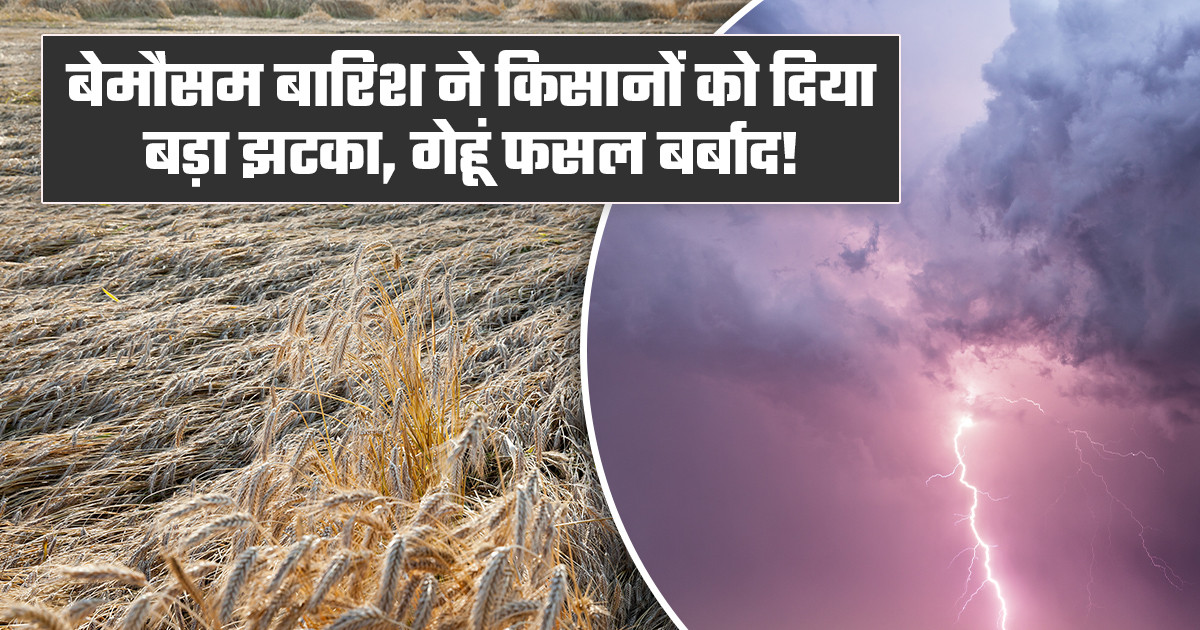
Farmers across India are facing a tough phase as unseasonal rains and shifting procurement policies create a double setback for the wheat crop. While unexpected rainfall has damaged both standing and harvested crops, frequent changes in government procurement systems have added to farmers’ distress. In several northern states, wheat harvesting is still incomplete, whereas in states like Madhya Pradesh, farmers who have already harvested their crop are struggling to sell their produce.
Farmers in many states are grappling with confusion over government procurement rules. Frequent changes in purchase dates and stricter conditions have made it increasingly difficult to sell wheat at the Minimum Support Price (MSP). In Haryana, farmer groups have started protesting against the new norms, urging the government to simplify the procurement process and ensure smoother operations.
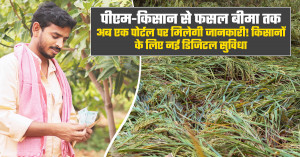
Punjab, sudden rainfall has caused significant damage to wheat crops. Around 130,000 acres of standing crop have been affected, particularly at a time when the crop was ready for harvest. Typically, mandis are flooded with wheat arrivals during this period, but this year arrivals remain low. Limited procurement so far has raised concerns over farmers’ incomes.
The Fazilka region has witnessed continuous rainfall and hailstorms, leading to near-total damage of standing crops. Farmer’s report that their hard work and investment have been washed away, pushing them into financial distress. Affected farmers have appealed to both central and state governments for immediate compensation to cope with the losses.
In Rajasthan’s Dholpur, strong winds and rain have damaged already harvested wheat lying in the fields. Repeated exposure to moisture is increasing the risk of quality deterioration. Reports of infrastructure damage due to strong winds have further worsened the situation for farmers.
Himachal Pradesh Faces Weather Extremes:
Himachal Pradesh has been experiencing continuous rain, snowfall, and strong winds over the past few days. These extreme conditions have impacted both crops and horticulture. In upper Shimla regions, apple orchards have suffered losses due to hail and snowfall, raising concerns among growers.
Digital Push for Procurement in Madhya Pradesh:
Amid these challenges, Madhya Pradesh has introduced a digital solution to streamline wheat procurement. The government has launched a slot booking system through the e-procurement portal, allowing farmers to schedule their visits to procurement centers. This is expected to reduce congestion and waiting time.
Procurement is being rolled out in phases across different divisions. Thousands of procurement centers have been set up, and a large number of farmers have already registered. The state government is offering MSP along with a bonus to ensure better returns. Officials have been directed to maintain transparency and efficiency in the procurement process.
FAQs:
1. How are unseasonal rains affecting wheat farmers?
Unseasonal rains are damaging both standing and harvested wheat crops, reducing yield and quality.
2. What issues are farmers facing in wheat procurement?
Frequent policy changes, strict rules, and confusion over dates are making it difficult to sell at MSP.
3. Which states are most affected?
Punjab, Haryana, Rajasthan, Himachal Pradesh, and Madhya Pradesh are among the most impacted.
4. What is the digital procurement system in Madhya Pradesh?
It is an e-procurement portal where farmers can book slots to sell wheat, reducing crowding at mandis.
5. What solutions can help farmers in this situation?
Simplifying procurement policies, providing compensation, and improving digital awareness can help farmers recover.