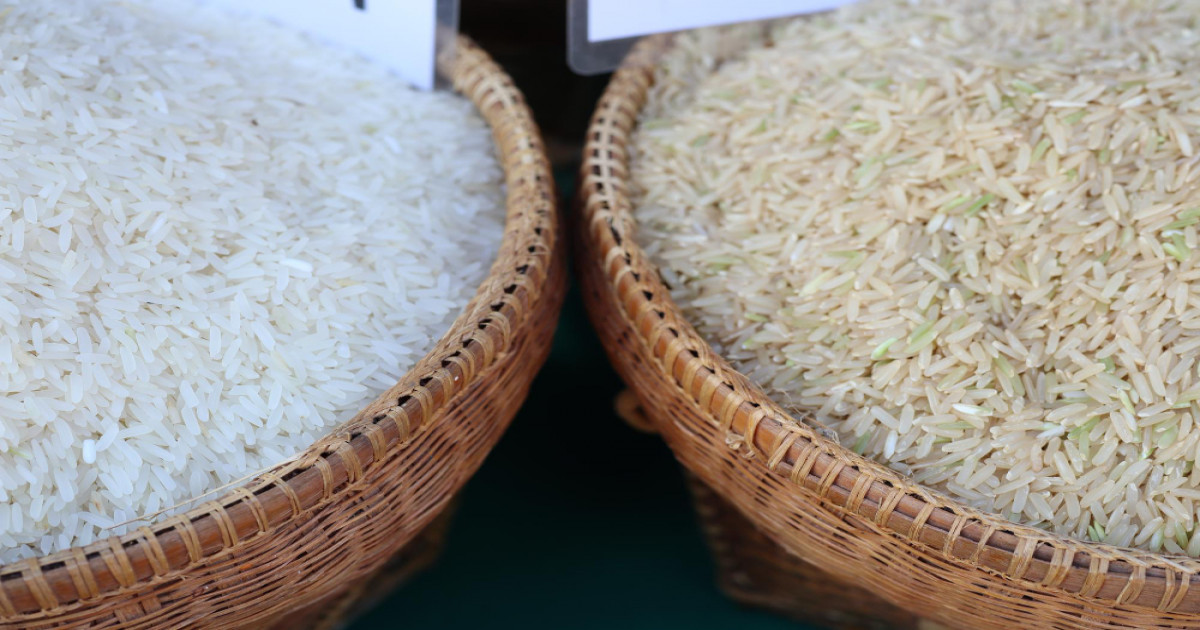
Fresh concerns are emerging in the global rice market for the 2026–27 season as the balance between production and consumption begins to weaken after several years of stability. Rising weather risks, expensive fertilizers, uncertain supply conditions, and ongoing geopolitical tensions in West Asia are creating anxiety across international commodity markets. Although rice prices currently remain below last season’s record highs due to large carryover stocks and relatively weak demand, market experts believe the situation could change quickly if weather disruptions or trade bottlenecks intensify in the coming months.
According to recent estimates, global rice inventories could fall by nearly 3.6 million tonnes to around 192.7 million tonnes. The growing domestic demand in South Asia, particularly in India, is being seen as one of the major reasons behind the expected decline. In India, rice remains a staple food for millions, and consumption continues to rise because of population growth and changing dietary habits. International research agencies now expect rice prices to remain firm over the medium term. BMI, a unit of Fitch Solutions, estimates that CBOT-listed rice futures could average between $11.7 and $12.5 per cwt (approximately 45.36 kg) in 2026.
India is among the world’s largest producers, consumers, and exporters of rice, making the country highly sensitive to global market shifts. According to BMI projections, India’s rice production may decline by nearly 2% during the 2026–27 season. However, analysts do not currently see a major supply crisis because India still holds substantial buffer stocks from the previous season. These reserves are expected to help stabilize domestic supply and reduce immediate pressure on the market.
Experts believe that the first monsoon crop in India, Thailand, and Vietnam may benefit from relatively stable weather conditions and adequate fertilizer availability. Together, these three countries account for more than half of global rice exports. The bigger concern lies in the latter half of 2026, when El Niño conditions are expected to strengthen. This could affect the second rice crop in India and Thailand, along with key harvests in Bangladesh and Indonesia. Any major weather disruption may tighten global supplies and increase price volatility.
According to AMIS, a market monitoring unit under the FAO, global demand remains relatively soft at present, while shipping disruptions have prevented any extreme price rally.
Still, rice prices have started moving upward in several exporting countries:
|
Country |
Price Movement |
|
Thailand |
Increased by nearly $20 per tonne between May 6 and 13 |
|
Vietnam |
Rose by around $60 per tonne after April 1 |
|
India |
Increase remained below $10 per tonne |
|
Pakistan |
Increase remained below $10 per tonne |
Middle East Tensions Add to Market Anxiety:
Geopolitical tensions in West Asia are also beginning to affect the global rice trade. Concerns over possible supply disruptions in the Strait of Hormuz have reportedly led Iraq to suspend purchases of Thai rice. Market observers warn that if regional tensions continue for a prolonged period, pressure on global supply chains could intensify further. While large carryover stocks are currently preventing prices from reaching record highs again, any worsening in weather or geopolitical conditions may sharply increase market volatility.
Why This Situation Matters for Farmers and Consumers:
A decline in global rice production combined with rising prices could contribute to food inflation in several countries, including India. At the same time, stronger prices may create better income opportunities for rice growers. Experts believe the direction of the rice market in the coming months will largely depend on monsoon performance, export policies, global demand trends, and geopolitical developments across key trading regions.
FAQs:
1. Why are concerns increasing in the global rice market for 2026–27?
Concerns are rising because of declining rice stocks, weather risks, expensive fertilizers, supply uncertainty, and geopolitical tensions affecting global trade.
2. How much could global rice stocks decline?
Global rice inventories are expected to fall by nearly 3.6 million tonnes to around 192.7 million tonnes.
3. Will rice production decrease in India?
According to estimates, India’s rice production may decline by nearly 2% during the 2026–27 season, mainly due to weather-related risks.
4. How can El Niño affect rice prices?
El Niño conditions may damage the second rice crop in major exporting countries like India and Thailand, which could reduce supply and push rice prices higher.
5. Why is the global rice market important for farmers and consumers?
Changes in rice production and prices directly impact farmer income, food inflation, export trade, and overall food security in many countries, including India.