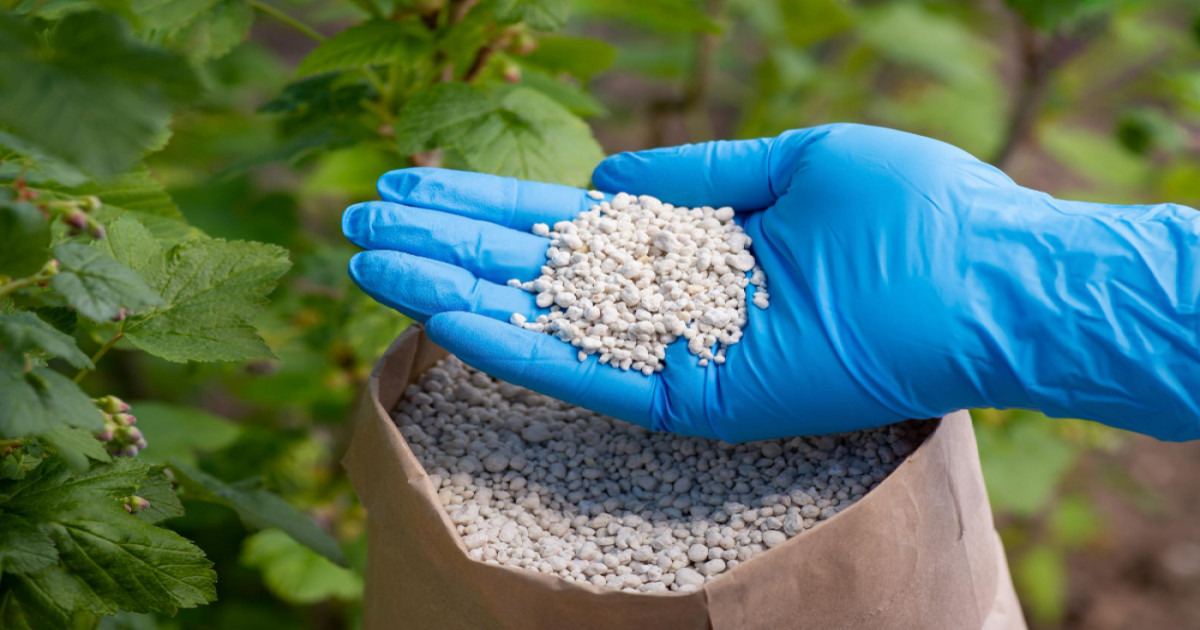
Using high-quality fertilizers is essential for achieving healthy crop growth and higher yields. However, the increasing availability of counterfeit and adulterated fertilizers in the market has become a major concern for farmers. To help farmers avoid fraud and protect their crops, the Agriculture Department has launched an awareness campaign explaining simple physical tests to identify genuine fertilizers. As part of this initiative in Patan block of Madhya Pradesh, Sub-Divisional Agriculture Officer Dr. Indira Tripathi urged farmers to purchase fertilizers carefully and verify their quality before use.
The Agriculture Department is conducting a special awareness drive to educate farmers about the risks associated with fake fertilizers and the importance of using certified agricultural inputs. Under the campaign, farmers are being trained to identify common fertilizers through simple physical observations and household tests, enabling them to make informed purchasing decisions.
Farmers can also distinguish genuine Diammonium Phosphate (DAP) through a few basic observations. DAP granules are hard and typically brown, black, or dark beige in colour. The granules cannot be easily crushed with fingernails. They become slightly moist when held in a closed palm and exposed to warm breath. Rubbing the granules with a small amount of lime produces a sharp ammonia-like smell. When heated on a pan over a low flame, the granules swell and expand.
How to Recognize Muriate of Potash (MOP):
Identifying NPK Fertilizer and Zinc Sulphate:
Agriculture Department has also explained simple methods to identify NPK fertilizer and zinc sulphate. NPK granules puff up like puffed rice when heated gently on a pan. The granules absorb moisture if left exposed to the atmosphere. Zinc sulphate is generally available as fine granules that are white, pale yellow, or light brown. When a zinc sulphate solution is mixed with a DAP solution, it forms a thick, curd-like precipitate that settles at the bottom of the container.
Precautions While Purchasing Fertilizers:
Agriculture Department has advised farmers to purchase fertilizers only from authorised dealers and always obtain a valid purchase invoice. Farmers are also encouraged to conduct simple quality checks whenever they suspect adulteration. If any fertilizer appears to be substandard or counterfeit, they should immediately report the matter to the nearest Agriculture Department office so that appropriate legal action can be taken against offenders.
Agriculture Department's Advice to Farmers:
Agricultural experts emphasize that the use of genuine fertilizers not only improves crop productivity but also helps maintain long-term soil fertility. Farmers are therefore advised to avoid purchasing fertilizers from unauthorised sources, verify product quality before application, and follow the identification methods recommended by the Agriculture Department. Taking these precautions can help protect crop health, preserve soil quality, and safeguard farmers from financial losses caused by counterfeit agricultural inputs.
FAQs:
1. How can farmers identify genuine fertilizers?
Farmers can identify genuine fertilizers by checking granule colour, hardness, water solubility, and their reaction to heat, as recommended by the Agriculture Department.
2. What are the signs of genuine urea?
Genuine urea has white shiny granules, dissolves completely in water, feels cool after dissolving, and releases an ammonia smell when heated.
3. How can genuine DAP fertilizer be identified?
Original DAP has hard brown or black granules that swell on heating and produce an ammonia smell when mixed with lime.
4. Where should farmers buy fertilizers?
Farmers should purchase fertilizers only from authorized dealers and always collect a valid purchase bill.
5. Why is using genuine fertilizers important?
Using genuine fertilizers improves crop yield, maintains soil health, and protects farmers from losses caused by fake or adulterated products.