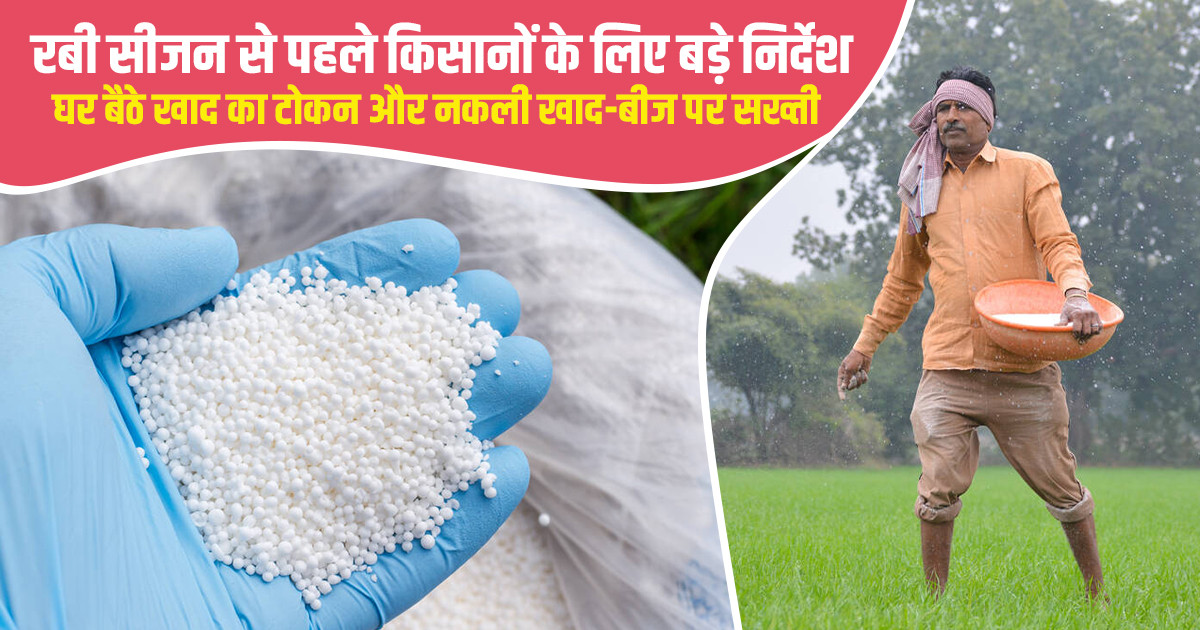
MP Rabi Season 2026–27: Madhya Pradesh has stepped up preparations for the upcoming Rabi season, with a focus on timely fertilizer and certified seed supplies, improved agricultural services, and higher farm productivity. The state government is also working to make fertilizer distribution more accessible through WhatsApp-based token generation and assistance centres at the panchayat level.
During a review meeting in Bhopal, Agriculture Production Commissioner K.C. Gupta directed officials to strengthen fertilizer distribution, take strict action against the sale of substandard agricultural inputs, and promote crop diversification. In view of the possibility of an El Niño-related weather impact and uncertain rainfall patterns, farmers are also being encouraged to sow crops early, where local conditions permit, and consider crops with lower water requirements.
A review meeting chaired by Agriculture Production Commissioner K.C. Gupta was held at the Apex Bank Auditorium in Bhopal on Saturday. The meeting assessed the progress of Kharif 2026 activities in the Bhopal and Narmadapuram divisions and reviewed preparations for the Rabi 2026–27 season. Senior officials from the two divisions participated, along with representatives of the departments of Farmers' Welfare and Agriculture Development, Cooperation, Mandi Board, Cooperative Marketing Federation, Animal Husbandry and Dairy, and Fisheries. District Collectors and Chief Executive Officers of District Panchayats also attended.
Gupta emphasized that farmers must receive fertilizers, seeds and other essential agricultural services according to their requirements and within the appropriate timeframe. He called for closer coordination among the concerned departments to improve the delivery of agricultural inputs and services.
To make fertilizer distribution more convenient during the Rabi season, the state is focusing on improving access to fertilizer booking and collection facilities. According to the directions discussed at the meeting, farmers can generate fertiliser tokens through WhatsApp without having to visit a centre merely to initiate the process. Facilitation centres have also been established at the panchayat level to assist farmers who need support. Officials have been instructed to prepare detailed fertiliser distribution plans based on local requirements. The aim is to reduce unnecessary travel, improve the distribution process, and ensure that fertiliser reaches farmers according to their needs. Authorities have also been asked to closely monitor fertiliser availability and distribution at the local level.
Important information for farmers: For details about the WhatsApp token process, fertiliser availability and designated collection centres, farmers should contact their local Agriculture Department office, cooperative society or panchayat-level facilitation centre.
Strict Action against Fake Fertilizers, Seeds and Pesticides:
The state government has directed officials to take firm action against the sale of counterfeit and substandard agricultural inputs, including fertilizers, seeds and pesticides. Agriculture Production Commissioner K.C. Gupta stressed that action should not be limited to the cancellation of licenses. Where violations are established, officials should initiate proceedings under the applicable rules, including filing an FIR where warranted.
Early Sowing and Water-Efficient Crops in Focus:
With weather uncertainty and the possibility of an El Niño-related impact in view, farmers are being encouraged to plan their Rabi crops carefully. Nishant Barbare, Secretary of the Farmers' Welfare and Agriculture Development Department, said efforts were being made to encourage timely or early sowing and the adoption of crops requiring relatively less water, depending on local conditions. Wheat, linseed, mustard, lentil and pea are among the crops being considered for suitable growing areas. Sowing at the appropriate time may help farmers make better use of moisture already present in the soil.
However, crop selection and sowing dates should be determined according to local weather forecasts, soil moisture, irrigation availability, and agricultural recommendations.
Straw Management System to Help Prevent Crop-Residue Burning:
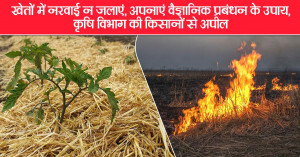
The government is also focusing on preventing the burning of crop residues, commonly known as narwai in Madhya Pradesh. Burning residues can damage soil health, affect the environment and contribute to air pollution. Officials have been asked to increase awareness among farmers and ensure that applicable rules are enforced.
The Agriculture Production Commissioner emphasised the use of a Straw Management System (SMS) fitted to combine harvesters. This equipment helps manage crop residues during harvesting and can support practices such as spreading straw across the field for subsequent management. Farmers will be encouraged to adopt suitable residue-management methods instead of burning leftover straw after harvesting.
Crop Insurance and Modern Agricultural Markets:
The review meeting also highlighted the need to improve farmers' access to crop insurance benefits. Officials were instructed to strengthen coordination with insurance companies and farmer organizations to help eligible farmers access the scheme. Modernizing agricultural markets was another priority. The Agriculture Production Commissioner called for better-organized mandis with facilities designed around farmers' requirements. Improved market infrastructure and services can make the sale of agricultural produce more convenient and help farmers access better-organized marketing facilities.
Madhya Pradesh Plans to Expand Horticulture through Cluster Development:
Expanding horticulture cultivation and encouraging food-processing industries were among the key issues discussed at the meeting. According to figures presented during the review, horticultural crops account for approximately 16.5% of the country's total agricultural area, compared with around 9.5% in Madhya Pradesh. The state aims to narrow this gap by promoting horticulture and developing crop-specific production clusters. Officials were encouraged to work towards establishing at least one horticulture cluster of approximately 1,000 acres in every district. These clusters are expected to focus on crops suited to the district's agricultural conditions and known for their local importance. Expanding horticulture and strengthening links with food processing could help farmers diversify their income sources, improve the value of their produce and create opportunities for rural enterprises.
Madhya Pradesh Seeks to Expand Fisheries and Attract Private Investment:
The meeting also reviewed the implementation of the Madhya Pradesh Integrated Fisheries Industry Policy 2026. The focus is on increasing fish production through the scientific use of water resources, attracting private investment and generating employment opportunities. Along with cage culture, the policy aims to encourage integrated activities such as aquaponics, hydroponics, ecotourism and green energy.
Information presented at the meeting indicated that more than 4.50 lakh applications had been received for cage installation. Based on the proposals, the potential for private investment was estimated at around ₹40,000 crore, with the possibility of generating more than 3.5 lakh direct and indirect employment opportunities.
Registration and Infrastructure Support for Fish Farmers:
Officials were instructed to ensure that eligible fish farmers register on the National Fisheries Digital Platform (NFDP) under the Pradhan Mantri Matsya Kisan Samridhi Sah-Yojana. The meeting also referred to a ₹100 incentive for registered fish farmers, subject to the applicable scheme provisions and eligibility requirements. Other priorities include accelerating the development of smart fish parlours, fish landing centres and modern fisheries testing laboratories. Officials were also directed to facilitate access to Kisan Credit Cards (KCC) for eligible fish farmers and prioritise action against encroachments in departmental water bodies. These measures are intended to strengthen fisheries infrastructure, improve access to support services and encourage organised growth in the sector.
Government Push to Strengthen Dairy Farming and Rural Livelihoods:
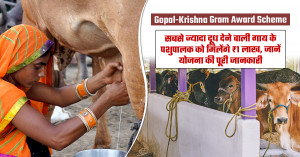
The review of the Animal Husbandry and Dairy Department focused on increasing milk production, strengthening rural livelihoods and creating opportunities for value addition. Department Secretary Dr. Sudam Khade highlighted the importance of animal husbandry and dairy farming in supporting rural incomes. The Agriculture Production Commissioner directed officials to complete surveys in selected villages under the Dugdh Samriddhi Sampark Abhiyan and Kshir Dhara Gram Yojana as soon as possible. The meeting also stressed the need to accelerate artificial insemination activities under the Hiranyagarbha Abhiyan. These initiatives are intended to strengthen livestock-related services and support the development of the dairy sector.
(FAQs):
Q1. How can farmers get fertilizer tokens in Madhya Pradesh?
Farmers can generate fertilizer tokens through WhatsApp. They can also visit panchayat-level facilitation centres for assistance.
Q2. What are the main preparations for MP Rabi Season 2026-27?
The preparations include timely fertilizer and seed distribution, crop diversification, early sowing and improved agricultural services.
Q3. Which crops are being encouraged for the Rabi season?
Wheat, mustard, lentil, pea and linseed are among the crops being considered for suitable agricultural regions.
Q4. What action will the government take against fake fertilizers?
Officials have been directed to take strict action against counterfeit and substandard fertilizers, seeds and pesticides, including legal proceedings where necessary.
Q5. How is Madhya Pradesh promoting horticulture?
The state plans to establish horticulture clusters of approximately 1,000 acres in every district to encourage production, crop diversification and food processing.