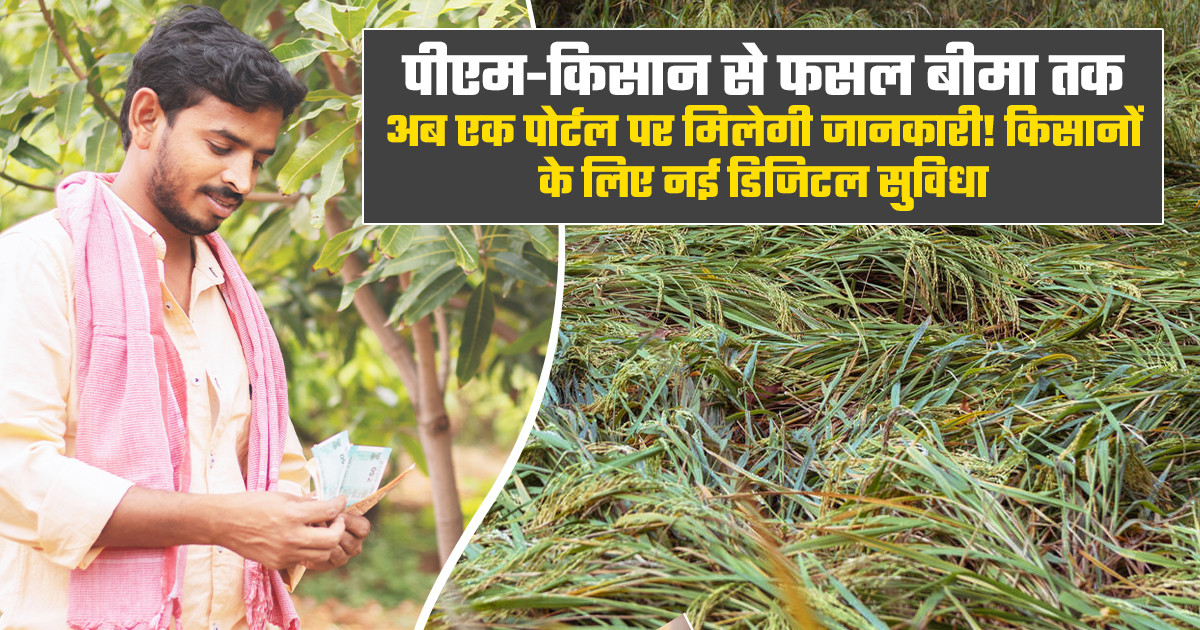
Farmers seeking information on government agricultural schemes, subsidies and financial assistance may soon find it easier to access relevant services through a single digital platform. Union Minister for Agriculture and Farmers’ Welfare and Rural Development Shivraj Singh Chouhan has launched the upgraded Agri Welfare Portal, an initiative designed to improve farmers’ access to key central government schemes, online services and reliable agricultural information through mobile phones.
The portal aims to reduce the need to navigate multiple departmental websites and visit government offices simply to find scheme-related information. By bringing essential agricultural resources together, the platform seeks to make digital services more accessible, convenient and transparent, particularly for farmers in rural areas.
At the launch, Chouhan highlighted the importance of taking the benefits of Digital India to villages and farms. He emphasized that technology can make a meaningful difference when it helps farmers access essential services and addresses their everyday challenges. The upgraded portal is intended to serve as a single access point for information and services related to various agricultural schemes. This integrated approach could save farmers time and effort by making relevant information easier to find in one place.
The Agri Welfare Portal has been developed to bring together information and digital services associated with major initiatives of the Ministry of Agriculture and Farmers’ Welfare. These include:
By consolidating access to these resources, the portal aims to help farmers understand the schemes relevant to them and navigate available digital services more easily. The specific benefits and application requirements will continue to depend on the rules of each scheme.
Improving transparency and simplifying access to government services are key objectives of the portal. Its intended features include easier access to eligibility information, online application processes and services associated with Direct Benefit Transfer (DBT). A centralized information platform could help farmers better understand the requirements of different schemes and identify the appropriate application channels. However, eligibility conditions, documentation requirements and benefit-disbursement procedures vary from one scheme to another. Farmers should therefore check the relevant official guidelines before applying.
Designed for Rural Connectivity and Mobile Access:
Limited internet connectivity remains a challenge in many rural areas. Keeping these conditions in mind, the upgraded portal has been designed to be lightweight and mobile-friendly, with the aim of providing a smoother experience on ordinary smartphones and in areas with weaker connectivity. Alongside scheme-related information, the platform is intended to make useful agricultural resources easier to access, including weather updates, scientific farming guidance, information on seed and fertilizer availability, and agricultural market prices. Timely access to such information can help farmers plan farm operations, understand available resources and make more informed decisions about cultivation and marketing.
Digital Services Designed to Be More Accessible:
The portal has been developed with reference to government digital standards and website accessibility guidelines. Features such as screen-reader support and simplified navigation are intended to make digital agricultural services easier to use for persons with disabilities, including visually impaired users. These accessibility measures form part of the broader effort to make online government services more inclusive and usable by a wider section of the farming community.
Krishi Vigyan Kendras to Help Farmers Learn How to Use the Portal:
Making digital services available is only one part of the process; farmers also need guidance on how to use them effectively. To support adoption, a training initiative through Krishi Vigyan Kendras (KVKs) across the country has been outlined. The initiative aims to familiarise farmers with the portal and other digital agricultural tools. Such training could be particularly valuable for small and marginal farmers who may need assistance navigating online applications, understanding scheme information and accessing digital resources.
Connecting Farmers, FPOs, PACS and Agricultural Innovators:
The portal is also envisioned as a platform that can support wider information-sharing across the agricultural ecosystem. Farmer Producer Organizations (FPOs), Primary Agricultural Credit Societies (PACS), agricultural scientists, researchers and startups are among the stakeholders whose participation is expected to contribute to the broader digital agriculture landscape. Better access to information and stronger connections between these stakeholders could support the adoption of useful technologies and improve the flow of agricultural knowledge to farming communities.
Emphasis on Accurate and Regularly Updated Information:
Chouhan directed officials to ensure that information available on the portal remains accurate and is updated regularly. Outdated or incomplete information can create confusion for farmers and undermine confidence in digital services, making timely updates an important part of the platform’s effective implementation. The portal has been developed in line with the Ministry of Electronics and Information Technology’s Digital Brand Identity Manual 3.0 and the Guidelines for Indian Government Websites and Apps 3.0. Agriculture and Farmers’ Welfare Secretary Atish Chandra, Additional Secretary Pramod Meherda, and senior officials from the Digital Agriculture Division and the National Informatics Centre (NIC) were also present at the launch.
What Does the Agri Welfare Portal Mean for Farmers?
The upgraded Agri Welfare Portal aims to make government agricultural information and digital services easier to access from a single platform. If its information is maintained accurately, services are made readily available and farmers receive adequate training, the portal could help them understand scheme eligibility, find application-related information and access trusted agricultural resources with less effort. For small and marginal farmers in particular, a simpler route to official information could reduce the difficulties involved in navigating multiple websites and government departments.
FAQs:
1. When did the India-New Zealand FTA come into effect?
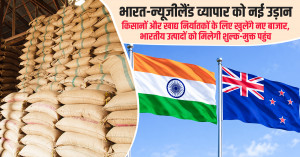
The agreement came into effect on October 20, 2026.
2. Which Indian agricultural products could benefit?
Fruits, vegetables, spices, tea, coffee and processed food products could gain export opportunities.
3. Does the agreement protect Indian dairy farmers?
Yes. Dairy products have been excluded from India's tariff concessions.
4. What is the bilateral trade target by 2030?
India and New Zealand aim to reach approximately NZ$7 billion in bilateral trade in goods and services.
5. How could the FTA help Indian farmers?
It could expand export opportunities and encourage cooperation in agricultural technology, product quality and post-harvest management.