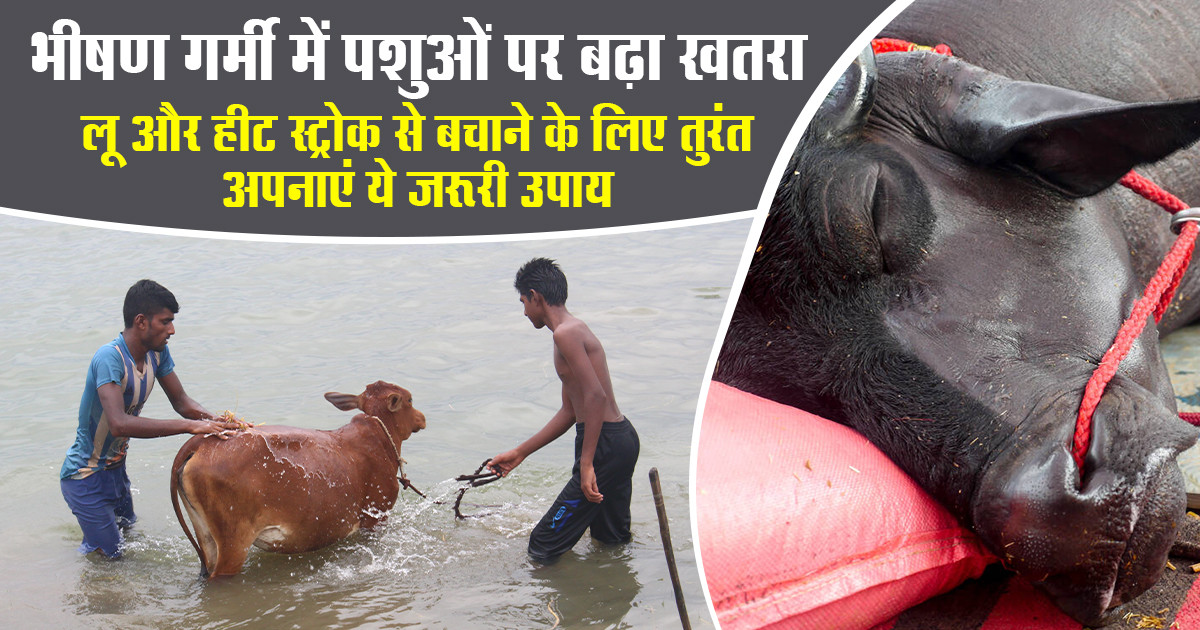
The intense summer heat sweeping across the country is now becoming a serious threat not only to humans but also to livestock. With temperatures crossing 45 degrees Celsius in several regions during May and June, dairy animals such as cows and buffaloes are facing a growing risk of heat stress and heat stroke. Animal health experts warn that without timely care and preventive measures, livestock may suffer from reduced milk production, severe illness, and in extreme cases, even death.
According to veterinarians, strong hot winds and prolonged exposure to direct sunlight make animals highly vulnerable during peak afternoon hours. Poorly ventilated sheds and open grazing areas further increase the chances of heat-related health problems. Farmers are being advised to remain extra cautious and improve summer management practices for their animals.
Excessive heat raises the body temperature of livestock, reducing appetite and increasing water requirements. This directly impacts milk yield and overall animal productivity. Experts say prolonged heat stress can weaken the immune system, making animals more prone to infections and other diseases. Restlessness, dehydration, and low energy levels are among the most common problems seen in dairy animals during extreme summer conditions. If ignored, the condition can lead to major financial losses for livestock owners.
|
Symptoms |
Possible Impact |
|
High fever |
Abnormal body temperature |
|
Rapid breathing with open mouth |
Sign of heat stress |
|
Excessive salivation |
Rising body heat |
|
Reduced milk production |
Weakness and stress |
|
Loss of appetite |
Low energy levels |
|
Excessive water intake |
Risk of dehydration |
|
Reduced urination |
Water deficiency in body |
|
Fast heartbeat |
Physical stress |
|
Bloating or digestive issues |
Digestive imbalance |
Keep Animals in Cool and Ventilated Areas: Animals should be housed in shaded and properly ventilated sheds where direct sunlight cannot reach them. Experts recommend hanging wet jute curtains around sheds and spraying water regularly to maintain cooler airflow.
Provide Clean and Cool Drinking Water Frequently: During summer, livestock lose water and minerals rapidly. Farmers should ensure that animals receive clean and cool drinking water at least four times a day.
Use Fans, Coolers and Regular Bathing: The use of fans and coolers inside cattle sheds can significantly reduce heat stress. Buffaloes especially benefit from bathing two to three times daily during intense heat conditions.
Maintain Balanced Nutrition: Experts recommend adding mineral mixtures, Azolla grass, wheat bran, and barley to the summer diet of livestock. Proper nutrition helps maintain energy levels and body balance during hot weather.
Avoid Midday Grazing: Animals should preferably be sent for grazing during early morning or late evening hours. Grazing during peak afternoon heat should be avoided.
Immediate Treatment Steps for Heat Stroke:
Timely Care Can Prevent Heavy Losses: Animal care experts believe that simple precautions and proper summer management can protect livestock from severe heat-related illnesses. Effective care during extreme weather not only improves animal health but also helps maintain milk production and reduces financial losses for dairy farmers.
FAQs:
1. What is heat stress in livestock?
Heat stress occurs when animals are unable to control their body temperature during extreme heat conditions, leading to dehydration, weakness, and reduced milk production.
2. Which animals are most affected by heatwaves?
Dairy animals such as cows and buffaloes are highly vulnerable to heat stress during intense summer heat.
3. How many times should livestock be given water in summer?
Experts recommend providing clean and cool drinking water at least four times a day during summer.
4. What are the early signs of heat stroke in animals?
Rapid breathing, high fever, excessive salivation, loss of appetite, and weakness are common symptoms of heat stroke.
5. How can farmers reduce heat stress in cattle sheds?
Proper ventilation, shade, wet jute curtains, fans, coolers, and regular water spraying can help keep cattle sheds cool during heatwaves.