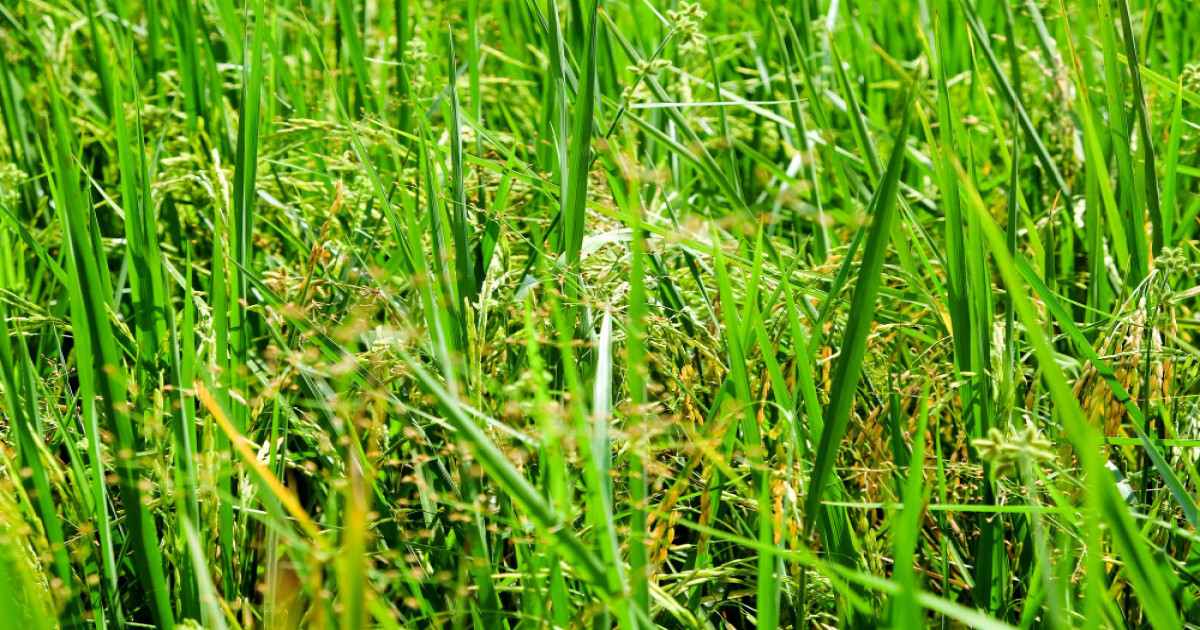
Agricultural experts have warned paddy growers to remain alert as Rice Dwarf Disease, a viral infection, has been detected in several paddy-growing areas. The disease is primarily transmitted by the White-Backed Plant Hopper (WBPH), a sap-sucking insect that spreads the virus from infected plants to healthy ones. Following field surveys in different parts of Punjab, experts have advised farmers to closely monitor their crops and take timely preventive measures to minimize potential yield losses.
Scientists have also cautioned against the indiscriminate use of pesticides. Chemical control should only be considered when the insect population reaches the Economic Threshold Level (ETL). Unnecessary pesticide applications not only increase cultivation costs but can also harm beneficial insects and disturb the ecological balance of the field.
Teams of agricultural experts from Krishi Vigyan Kendras (KVKs) have been conducting field inspections in several villages to assess the situation and educate farmers about disease identification, prevention, and scientific crop management. According to specialists, early detection combined with regular crop monitoring is the most effective way to prevent severe damage.
Experts recommend that farmers inspect their paddy fields at least once every week. Any unusual symptoms or signs of insect infestation should be taken seriously. Farmers are encouraged to consult agricultural officers or KVK experts immediately and follow scientific recommendations before taking any control measures.
Rice Dwarf Disease is caused by a virus that stunts the growth of infected plants. Affected plants remain noticeably shorter than healthy ones, while their leaves become narrow and pointed. Root development is also adversely affected. As the disease progresses, panicles may fail to develop properly, grain formation declines, and severely infected plants may eventually dry up, resulting in significant yield reduction.
White-Backed Plant Hopper: The Primary Disease Vector:
The virus is spread by the White-Backed Plant Hopper (WBPH), making timely identification and management of this insect crucial for disease control. The nymphs are generally light brown to whitish in color, whereas adult insects appear darker brown. Adult WBPH can be identified by the distinctive white stripe running along the back and the dark spots near the rear portion of the forewings.
How to Identify White-Backed Plant Hopper:
Farmers can detect the presence of WBPH by gently shaking paddy plants two or three times. If nymphs or adult insects are seen floating on the standing water in the field, it may indicate an infestation. Before applying any insecticide, farmers should assess the insect population carefully. Crop protection chemicals should be used only when pest levels exceed the recommended Economic Threshold Level and in accordance with agricultural university recommendations.
Expert-Recommended Measures to Prevent Rice Dwarf Disease:
Timely Monitoring Remains the Best Defense:
According to agricultural experts, there is currently no direct cure for Rice Dwarf Disease once plants become infected. Therefore, regular field scouting, early removal of infected plants, and effective management of White-Backed Plant Hopper populations remain the most reliable strategies for protecting paddy crops. Farmers who notice early symptoms should promptly contact their local agricultural department or Krishi Vigyan Kendra for scientific guidance. Timely intervention and integrated pest management practices can significantly reduce crop losses and help safeguard paddy production.
FAQs:
1. What is Rice Dwarf Disease?
Rice Dwarf Disease is a viral disease of paddy that causes stunted growth, poor panicle formation, reduced grain filling, and lower yields.
2. How does Rice Dwarf Disease spread?
The disease spreads through the White-Backed Plant Hopper (WBPH), which carries the virus from infected plants to healthy paddy plants.
3. What are the early symptoms of Rice Dwarf Disease?
Common symptoms include dwarf plants, narrow leaves, weak root growth, poor panicle development, and reduced grain formation.
4. How can farmers prevent Rice Dwarf Disease?
Farmers should inspect fields weekly, remove infected plants, control weeds, manage WBPH populations, apply balanced fertilizers, and use insecticides only when recommended.
5. Is there any cure for Rice Dwarf Disease?
No. There is currently no direct cure for Rice Dwarf Disease after infection. Early detection, removal of infected plants, and effective White-Backed Plant Hopper management are the best ways to minimize crop losses.