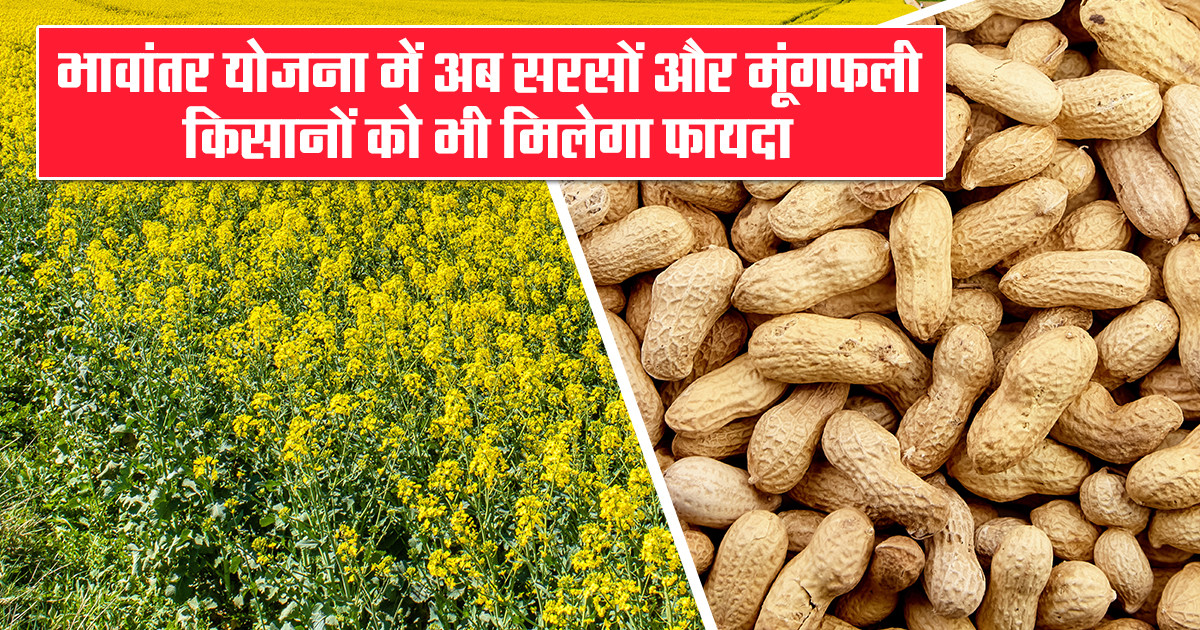
During a discussion in the Madhya Pradesh Legislative Assembly on the vision of building a developed, self-reliant, and prosperous state, Cooperation Minister Vishvas Kailash Sarang said that the state government is preparing an action plan to extend the benefits of the Bhavantar Scheme to mustard and groundnut farmers as well. He informed the House that a weather-based crop insurance scheme will be rolled out in the state soon. In addition, efforts are underway to introduce a home-delivery system for fertilisers to ensure timely availability to farmers.
Minister Sarang said that before Independence, Indian agriculture was extremely backward, low in productivity, and heavily dependent on the monsoon. Following the Green Revolution of the 1960s, the adoption of high-yielding varieties, fertilisers, and irrigation led to a sharp rise in foodgrain production, bringing the country closer to food security. He highlighted the pivotal role of M. S. Swaminathan, the architect of the Green Revolution, in making India self-reliant in foodgrains.
He also acknowledged the significant contributions of Verghese Kurien and Tribhuvandas Patel to the White Revolution, while noting that the Blue Revolution provided new momentum to fisheries development.
The minister said the state government has effectively synchronised these agricultural revolutions, leading to a major expansion in cultivated area. The total agricultural area in Madhya Pradesh increased from 19.9 million hectares in 2002–03 to 29.7 million hectares in 2024–25. Similarly, the area under horticultural crops expanded from 0.467 million hectares to 2.636 million hectares during the same period.
He added that by reducing administrative costs under the Bhavantar Scheme, the state has achieved savings of ₹1,600 crore.
Minister Sarang outlined several key initiatives, including the Pradhan Mantri Fasal Bima Yojana, Pradhan Mantri Kisan Samman Nidhi, Mukhyamantri Krishi Unnati Yojana, Rani Durgavati Shree Anna Protsahan Yojana, e-Vikas, the Paramparagat Krishi Vikas Yojana (PKVY), and the National Mission on Natural Farming (NMNF). He noted that these efforts are accelerating the shift towards natural and organic farming, with growing participation from farmers.
At the national level, Madhya Pradesh ranks second in wheat acreage, first in maize acreage, second in gram and urad production, and first in lentil acreage. The entire e-mandi process has been fully digitised, and the state has secured the top position in the implementation of the Agriculture Infrastructure Fund. E-mandi facilities have now been operationalised in all 298 sub-markets across the state.
Under the Namo Drone Didi scheme, 1,066 farmer drones will be provided to women self-help groups in the coming year, promoting both technology adoption and women’s self-reliance. In crop residue management, a commercial model is being developed to convert stubble into an alternative energy source through CBG plants. The state has also decided to observe 2026 as the ‘Year of Agriculture’.
As part of cooperative sector reforms, financial assistance has been extended to weak district cooperative banks, 100% computerisation of MPACS is underway, and private sector participation has been ensured through the CPPP model.
The government is working to enhance farmers’ incomes through cattle rearing, double milk production under the Dairy Prosperity Campaign, and transform animal husbandry into a profitable enterprise generating new employment opportunities. To strengthen the cooperative system and promote the ‘Sanchi’ brand, the state has agreed to collaborate with the National Dairy Development Board.
Linking cow protection with empowerment, the Madhya Pradesh Cow Slaughter Prohibition (Amendment) Act, 2024 has been made more stringent, with provisions for confiscating vehicles used in illegal transportation of cattle. Continuous efforts are also underway to further strengthen the fisheries sector across the state.