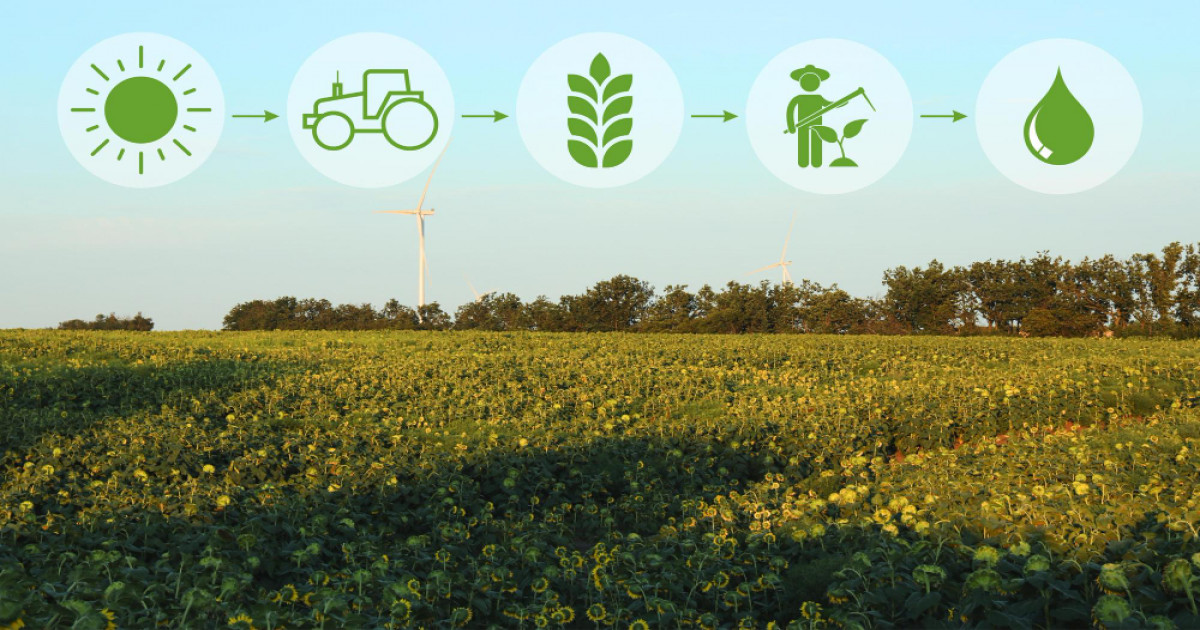
Modern agriculture is no longer limited to just crop production. Today, farmers can make their fields environmentally sustainable while earning additional income. One promising and innovative approach for achieving this is carbon farming and carbon trading.
Carbon farming is a scientific and eco-friendly practice in which plants absorb carbon dioxide (CO₂) from the atmosphere and store it in the soil as organic matter through their roots. This process not only enhances soil fertility but also contributes to a cleaner environment. By adopting carbon farming, farmers can reduce input costs and simultaneously protect the environment.
Farmers can secure both environmental benefits and extra income by following simple steps:
Potential Income:
On the international market, one carbon credit can fetch between ₹500 and ₹2,000. For a farmer with 10 hectares (approximately 25 acres) of land, this can translate into an annual additional income of ₹50,000 to ₹1 lakh. This income directly benefits both the farmer and the environment.
There is no longer a need to send soil samples to a laboratory. With hyperspectral remote sensing and AI technology, satellites can measure the carbon content of a field accurately and at no cost. For more guidance, farmers can contact their nearest Agricultural Development Center.
How to Get Started?
Starting alone can be expensive and technically challenging. Farmers are advised to join their local FPOs (Farmer Producer Organizations) to simplify the process and gain access to technical support and resources. Carbon trading is not only a source of additional income but also promotes sustainable agriculture and environmental protection. By preparing your fields for carbon farming today, farmers can achieve both economic and ecological benefits, ensuring a greener and more profitable future.
FAQs about Carbon Farming:
1. Can small farmers benefit from carbon trading?
Yes, even farmers with a few hectares can earn additional income by adopting carbon farming techniques.
2. Is carbon farming only for paddy fields?
No, carbon farming can be applied to various crops, including vegetables, cereals, and orchards.
3. How much does it cost to start carbon farming?
Joining an FPO and using guidance from Khetivyapar minimizes initial costs, making it affordable.
4. Are carbon credits guaranteed income?
Income depends on the market rate, but proper carbon farming practices significantly increase earning potential.
5. How long does it take to see results?
Farmers can start earning carbon credits within a year if they follow proper methods and maintain soil health.