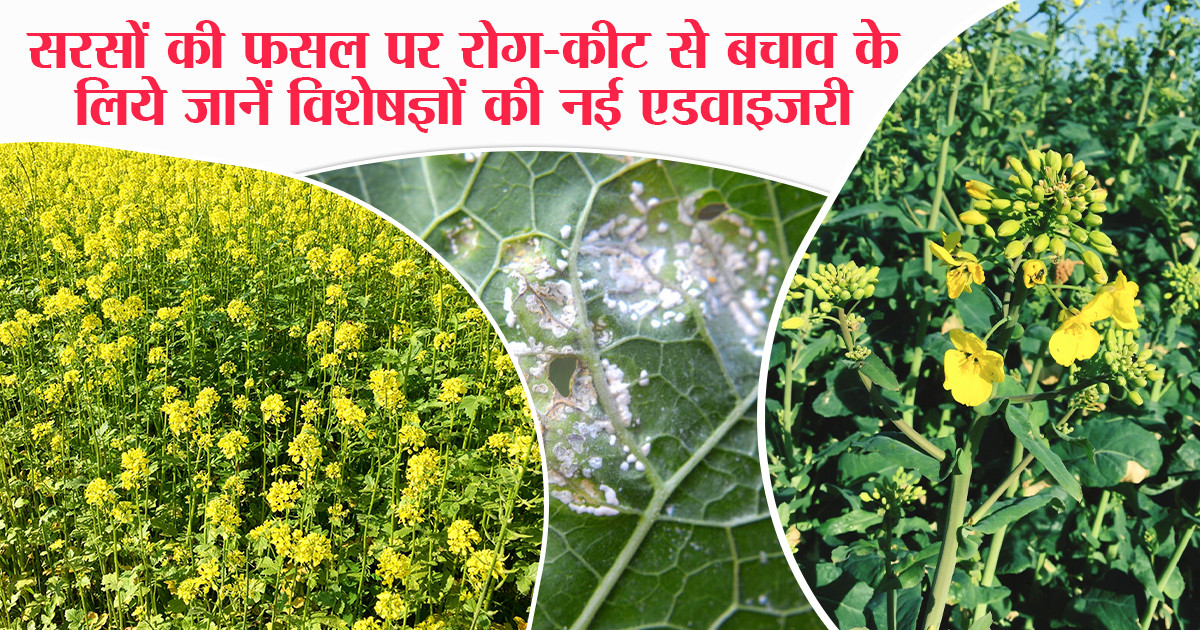
Farmers across several states cultivate mustard, a major oilseed and a profitable Rabi-season crop. However, delayed sowing has been reported in many regions this year due to unfavourable weather conditions, increasing the risk of diseases and pest infestations. Considering these challenges, Chaudhary Charan Singh Haryana Agricultural University, Hisar has released an important advisory for farmers.
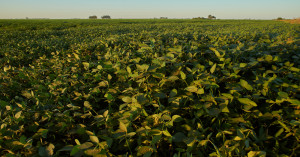
According to experts, this year’s irregular weather patterns and excessive rainfall have led to mustard being sown in fields with high moisture levels and inadequately prepared soil. Such conditions are not suitable for mustard and can trigger the spread of various diseases and pests.
Agricultural scientists warn that the risk of root rot is currently higher in mustard fields. Symptoms include sudden wilting, gradual drying of the plants, and the appearance of white fungal growth on the roots. The disease is caused by fungi such as Fusarium, Rhizoctonia, and Sclerotium.
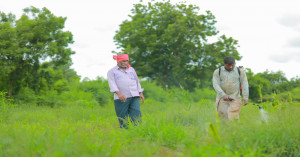
For control, farmers should spray a 0.1% solution of Carbendazim. Ensure sufficient water is used so that both the plants and soil are thoroughly soaked. In case of severe infection, a second spray can be done after 15 days.
If white fungal growth is visible on the underside of leaves, it signals the presence of Downy Mildew. Infected leaves turn yellow and eventually dry up. To control this disease, farmers can spray Mancozeb (Dithane M-45) or a mixture of Metalaxyl 4% + Mancozeb 64% at 2.5 grams per litre of water.
Painted Bug infestation is commonly seen during the early stages of mustard growth, leaving white patches on the leaves. Traditionally, farmers use 200 ml Malathion 50 EC mixed with 200 litres of water per acre for its control.
However, due to lower-than-normal temperatures this year, the pest is less active. Experts advise farmers to avoid unnecessary spraying, as it increases input costs and harms beneficial insects.
Irrigation and Wilting Issues: What Farmers Should Do:
Wilting or weak plant growth may be caused by prolonged water stagnation in the field.
Recommended action:
Re-sowing in Case of Heavy Damage:
The university has advised that fields with severe plant mortality can be re-sown up to 10 November.
Mustard Crop Needs Close Monitoring This Year:
Experts emphasise that due to excessive moisture and unpredictable weather, mustard crops are under early stress this season.
Farmers are advised to:
With controlled irrigation, proper spraying practices, and effective seed treatment, farmers can safeguard their mustard crop and ensure better productivity and profit.
Read More- How to do Mustard cultivation and disease and management