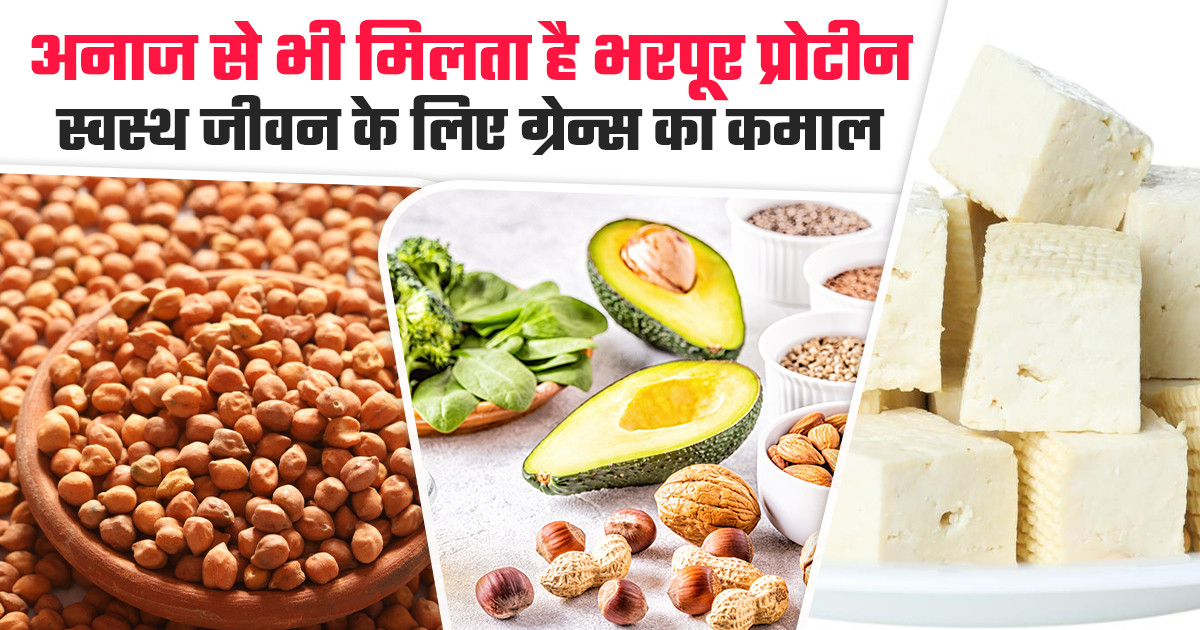
Maintaining a balanced and adequate protein intake is essential for a healthy life. Protein plays a crucial role in building muscles, repairing tissues, and sustaining overall energy levels. Recognizing its importance, the AYUSH-based dietary model outlines the daily protein requirements for individuals across different age groups and activity levels. The model emphasizes obtaining protein naturally through traditional Indian foods that are widely available and commonly consumed.
Daily protein requirements vary according to a person’s age, weight, and level of physical activity. For adults with low physical activity, about 0.8–1 gram of protein per kilogram of body weight is generally sufficient. Active adults may need between 1 and 1.2 grams per kilogram.
In cases of muscle building or recovery, the requirement rises to 1.2–1.5 grams per kilogram. Older adults are recommended to consume approximately 1–1.2 grams per kilogram. For example, a person weighing 70 kg may need around 70–105 grams of protein daily.
The AYUSH protein food basket includes foods that are easily available in Indian households:
Legumes and Pulses:
|
Food Item |
Protein Content |
|
Moong Dal |
24 g |
|
Urad Dal |
25 g |
|
Chana Dal |
22–25 g |
|
Masoor Dal |
24 g |
|
Rajma |
24 g |
|
Lobia |
23 g |
Dairy Protein Sources:
|
Food Item |
Protein Content |
|
Milk (250 ml) |
8 g |
|
Yogurt (100 g) |
10 g |
|
Paneer (100 g) |
18–22 g |
|
Buttermilk |
Light protein source |
Nuts and Seeds:
|
Food Item |
Protein Content |
|
Almonds |
21 g |
|
Peanuts |
25 g |
|
Sesame Seeds |
18 g |
|
Pumpkin Seeds |
19 g |
Plant-Based Protein Sources:
|
Food Item |
Protein Content |
|
Soya Chunks |
52 g |
|
Tofu |
15 g |
|
Sprouted Grains |
9 g |
Suggested Daily Meal Model:
FAQs:
Q1: How much protein do I need daily according to AYUSH diet?
A: Adults need 0.8–1.2 g per kg body weight depending on activity. Muscle building may require 1.2–1.5 g/kg.
Q2: What are the best traditional Indian protein sources?
A: Legumes (moong, chana, rajma), dairy (milk, yogurt, paneer), nuts (almonds, peanuts), seeds, soya chunks, and tofu.
Q3: Can I meet protein needs on a vegetarian diet?
A: Yes, combining legumes, dairy, nuts, seeds, and plant proteins like tofu and soya chunks ensures sufficient protein intake.
Q4: How does protein help maintain a healthy life?
A: Protein supports muscle building, tissue repair, immune function, and sustained energy levels.
Q5: How can Khetivyapar help in planning daily protein intake?
A: Khetivyapar provides AYUSH-based diet charts, meal plans, and guidance on protein-rich Indian foods for balanced nutrition.