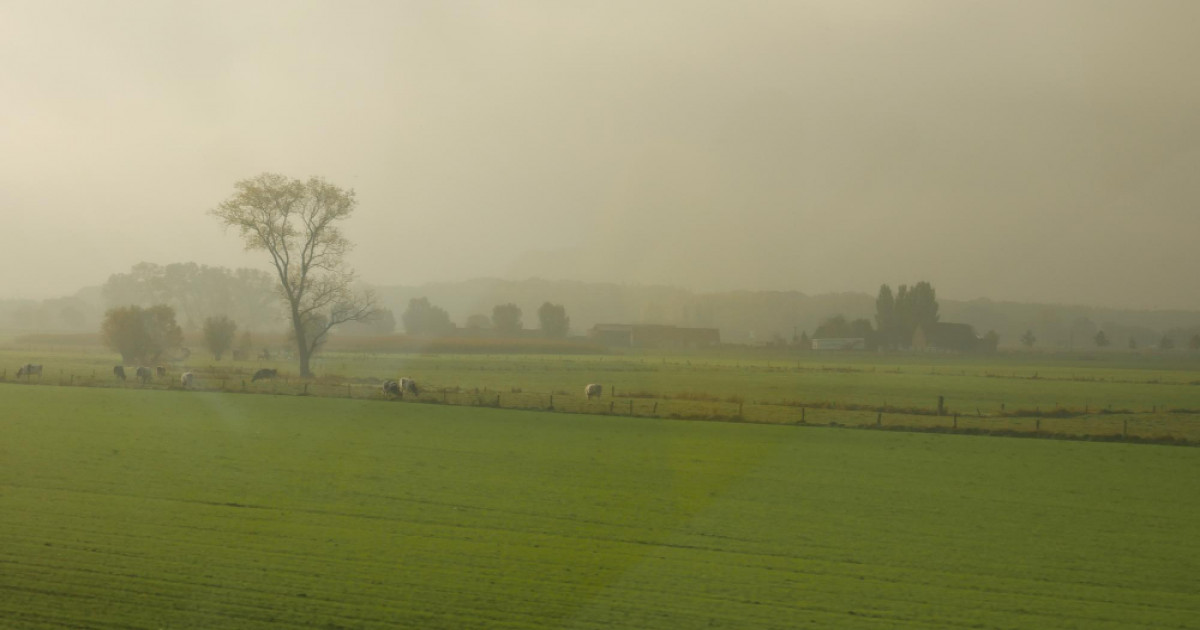
Air quality across Delhi-NCR continues to be a major concern as winter intensifies, even though long-term data indicates gradual improvement. According to the Central Pollution Control Board (CPCB), most cities in the region recorded ‘Poor’ air quality yesterday. Hapur topped the pollution chart with an AQI of 285. Delhi and Noida both reported an AQI of 279, followed by Greater Noida at 268, Ghaziabad at 256, Gurugram at 245, and Panipat at 239. Meanwhile, Meerut (197) and Faridabad (176) remained in the ‘Moderate’ category.
Despite the current pollution spikes, annual figures bring a ray of hope. From January to November 2025, Delhi recorded an average AQI of 187 the lowest in the past eight years, excluding the lockdown year of 2020. Only three days crossed the 400 AQI mark, and not a single day entered the ‘Severe+’ category (AQI 450+). Levels of PM2.5 and PM10 were also the lowest since 2018, signaling steady progress in long-term air quality management.
The India Meteorological Department (IMD) warns that December’s harsh weather could push pollution levels higher. Falling temperatures, dense fog, weak sunlight, and stagnant wind conditions are likely to trap pollutants near the surface. Longer, colder nights combined with daytime smog can further deteriorate air quality, increasing the risk of respiratory issues for vulnerable groups.
Experts highlight that the Commission for Air Quality Management (CAQM) and related agencies have played a key role in driving long-term improvements. However, heightened caution is essential during winter. Citizens are advised to wear masks during morning and evening hours, reduce unnecessary vehicle use, and maintain proper indoor ventilation. A mix of strong administrative action and active public participation remains crucial for sustainable air quality improvement.
Read More- Cyclone 'Ditwah' wreaks havoc, alert for heavy rain in these 5 states for 48 hours!