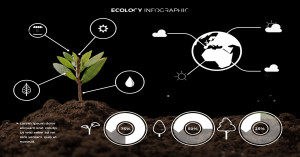
Gardening is not just about enhancing the beauty of your home; it also brings a sense of calm and freshness to everyday life. Just as people need balanced nutrition and proper care to stay healthy, plants too require the right nourishment and consistent attention. With proper maintenance, your garden can remain lush and productive, offering an abundance of flowers, fruits and vegetables.
Simply planting saplings or sowing seeds is not enough. Regular care and the right techniques are essential for healthy growth. Whether you grow evergreen varieties or seasonal plants, there are a few basic principles that can help every plant thrive. Here are five essential gardening rules to follow:
Water plays a vital role in plant health. The amount and frequency of watering should depend on the season. Plants generally need less water during winter and more during the hotter months. On very sunny days, light watering in both the morning and evening can be beneficial. It is equally important to ensure proper drainage in pots or garden beds to prevent water from collecting around the roots, which can cause damage.
Healthy soil forms the foundation of strong plant growth. You can seek advice from a local nursery about suitable soil mixes or prepare an all-purpose potting blend at home. A good mixture can include fertile garden soil, compost and sand or cocopeat. Adding a handful of neem cake powder can further help protect plants from common pests.
Periodic pruning keeps plants in good shape and encourages new growth. Removing dry, yellow or diseased leaves promptly helps maintain overall plant health. As a general practice, light pruning every four to six weeks supports better branching and balanced development.
4. Protect Against Pests:
Safeguarding plants from pests and diseases is essential for maintaining a healthy garden. Mild infestations such as ants or spider mites can be managed by using a gentle pesticide two to three times a week. In cases of heavier infestation, treatment at intervals of seven to ten days may be necessary. For fruit and vegetable plants, organic pest control solutions applied every 10 to 15 days are often a safer and effective option.
5. Feed and Loosen the Soil on Time:
Timely fertilisation is key to sustained plant growth. Applying compost, well-rotted manure or liquid fertiliser every four to six weeks helps maintain soil fertility. Fruit- and vegetable-bearing plants may benefit from feeding every two to three weeks. Occasionally loosening the soil around the base of the plant improves aeration and allows nutrients to reach the roots more effectively.
By following these simple yet effective practices, you can maintain a vibrant, flourishing garden. Consistent care and attention are the real secrets behind healthy, thriving plants.
(FAQs):
Q1. How often should I water my plants?
Watering depends on the season. Summer requires frequent watering, while winter needs less.
Q2. What is the best soil mix for gardening?
A mix of garden soil, compost and cocopeat or sand works well.
Q3. How often should plants be pruned?
Light pruning every four to six weeks is ideal.
Q4. How can I control pests naturally?
Use neem oil or organic pesticides at regular intervals.
Q5. How often should fertiliser be applied?
Apply compost or manure every four to six weeks for healthy growth.