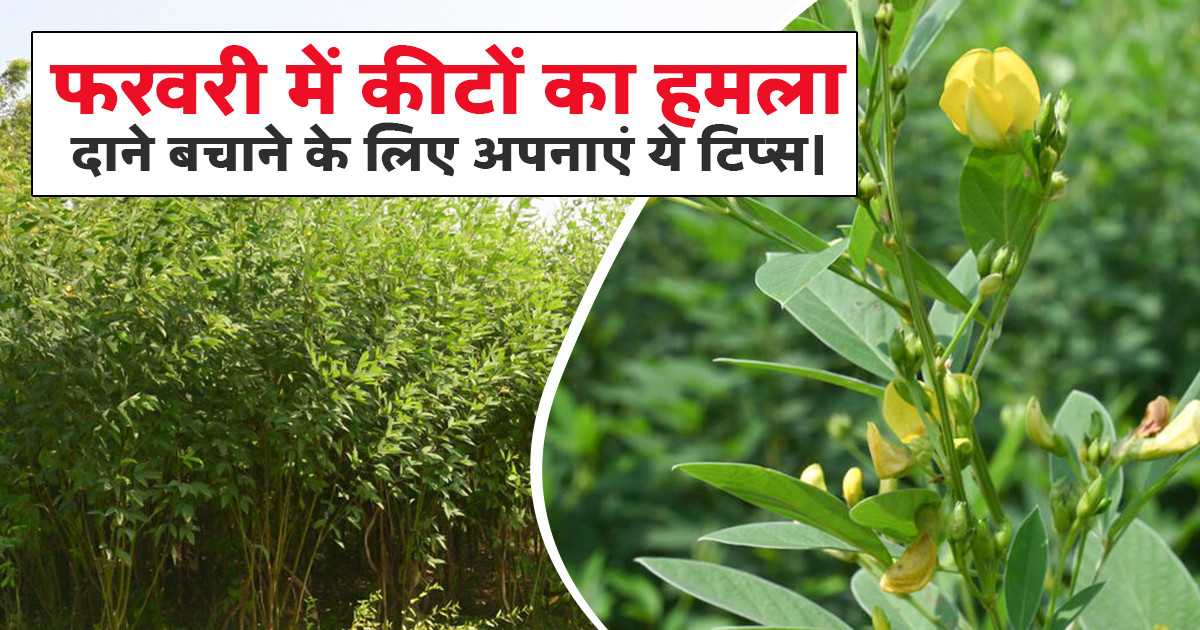
With fluctuating temperatures in February, pigeon pea crops become more vulnerable to pest attacks. If timely action is not taken, pods may weaken and grain quality can decline significantly. Agricultural experts note that fruit fly, pod borer, and leaf folder pests are especially active during this period and can directly affect yield. Early detection and proper management can substantially reduce potential losses.
An infestation is indicated by tiny pin-like holes on the surface of pods. Brown or black spots often develop on affected areas, and larvae enter the pods to feed on the grains, causing them to shrink and deteriorate. Infected pods may rot internally and fall prematurely.
Control: Spray Quinalphos at 3 ml per litre of water during the flowering stage. As an organic option, apply a 2% neem oil solution.
This pest bores circular holes into pods and feeds on the grains inside. A common sign is the larva’s head inside the pod while the rear portion remains outside. It can also damage flowers and buds, preventing pod formation. Severe infestation may reduce yield by 60–90%.
Control: Install 12–15 pheromone traps per acre. Intercrop with sorghum or sunflower to help minimize pest incidence.
Leaf folder infestation causes leaves to curl and stick together in web-like folds. The pest then feeds on these folded leaves, leaving them skeletonized. Small pale-yellow caterpillars are often visible on upper leaves. This damage slows plant growth and weakens the crop.
Control: Remove and destroy affected leaves to stop spread. Spraying neem oil at the early stage is also highly effective.
This timely awareness and adoption of simple preventive measures can help farmers protect their pigeon pea crop from major pest damage and maintain both yield and quality.
FAQs – Pigeon Pea Crop Pest Management:
Q1. Which pests are most active in pigeon pea crop during February?
Fruit fly, pod borer, and leaf folder are highly active due to temperature fluctuations.
Q2. How can fruit fly damage be identified?
Look for pin-like holes, brown spots, and shrinking grains inside pods.
Q3. What is the recommended chemical control for pod borer?
Installing pheromone traps and timely spraying as advised by experts helps control infestation.
Q4. Is neem oil effective against leaf folder?
Yes, spraying neem oil at an early stage effectively controls leaf folder infestation.
Q5. How can farmers prevent major yield loss in pigeon pea crop?
Regular monitoring, early detection, and timely pest management practices are essential to protect pigeon pea crop yield and quality.