Major step toward strengthening India’s agricultural sustainability and reducing import dependence, the National Academy of Agricultural Sciences recently convened a high-level brainstorming session focused on achieving self-reliance in the fertilizer sector. The meeting brought together policymakers, scientists, industry leaders, and farmer representatives, all aligning on the urgent need to transform nutrient management in Indian agriculture.
The session was chaired by the Director General of the Indian Council of Agricultural Research, who also heads NAAS. He emphasized that agriculture will play a pivotal role in achieving the country’s long-term vision of becoming an “Atmanirbhar Bharat” by 2047.
Experts highlighted that India currently consumes around 33 million tones of fertilizers annually, a significant portion of which is imported. Reducing this dependency will require a shift toward improving soil health, promoting balanced and need-based fertilizer use, and increasing awareness among farmers about sustainable practices.
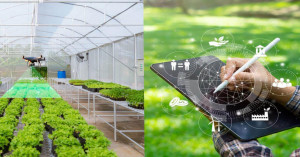
The discussion underscored the growing importance of advanced technologies in agriculture. Tools such as precision nutrient management, Artificial Intelligence (AI), and sensor-based systems are expected to play a key role in optimizing fertilizer use. Additionally, diversification toward pulses and oilseeds, along with promoting recycling of organic waste under the “waste-to-wealth” approach, was identified as essential for long-term sustainability.
A multi-pronged strategy covering short-, medium-, and long-term research and development goals was proposed. This includes the development of smart alternative fertilizers, increased use of indigenous minerals like glauconite, phosphate rock, mica, and polyhalite, and harnessing the potential of soil microbiomes. Improved composting methods, crop breeding, and precision nutrient application are also central to this approach.
One of the key recommendations was to launch a mission-mode program under Integrated Nutrient Supply and Management (INSAM). The initiative aims to replace at least 25% of chemical fertilizers with organic alternatives over the next three years. Experts also stressed the need for rapid technology dissemination through digital platforms and AI-powered tools.
Linking Subsidies to Soil Health and Direct Transfers:
The panel called for reforms in existing fertilizer policies, particularly bringing urea under the nutrient-based subsidy regime. It also recommended linking subsidies to the adoption of Good Agricultural Practices (GAP) and integrating them with the Soil Health Card system. Furthermore, the possibility of transferring subsidies directly to farmers’ bank accounts was discussed as a way to improve efficiency and transparency.
Overall, the discussions reinforced that a combination of policy reforms, technological innovation, and farmer-centric approaches will be crucial in building a resilient, self-reliant agricultural system for the future.
FAQs:
Q1. What was the main objective of the NAAS brainstorming session?
The main objective was to promote self-reliance in the fertilizer sector and improve nutrient management in Indian agriculture.
Q2. Why is fertilizer self-reliance important for India?
It reduces import dependency, improves soil health, and ensures long-term agricultural sustainability.
Q3. How can technology help in fertilizer management?
Technologies like AI, sensors, and precision farming help optimize fertilizer use and reduce waste.
Q4. What is INSAM’s target regarding chemical fertilizers?
INSAM aims to replace at least 25% of chemical fertilizers with organic alternatives.
Q5. What reforms were suggested in fertilizer policy?
Linking subsidies to soil health systems and considering direct benefit transfer to farmers were key suggestions.