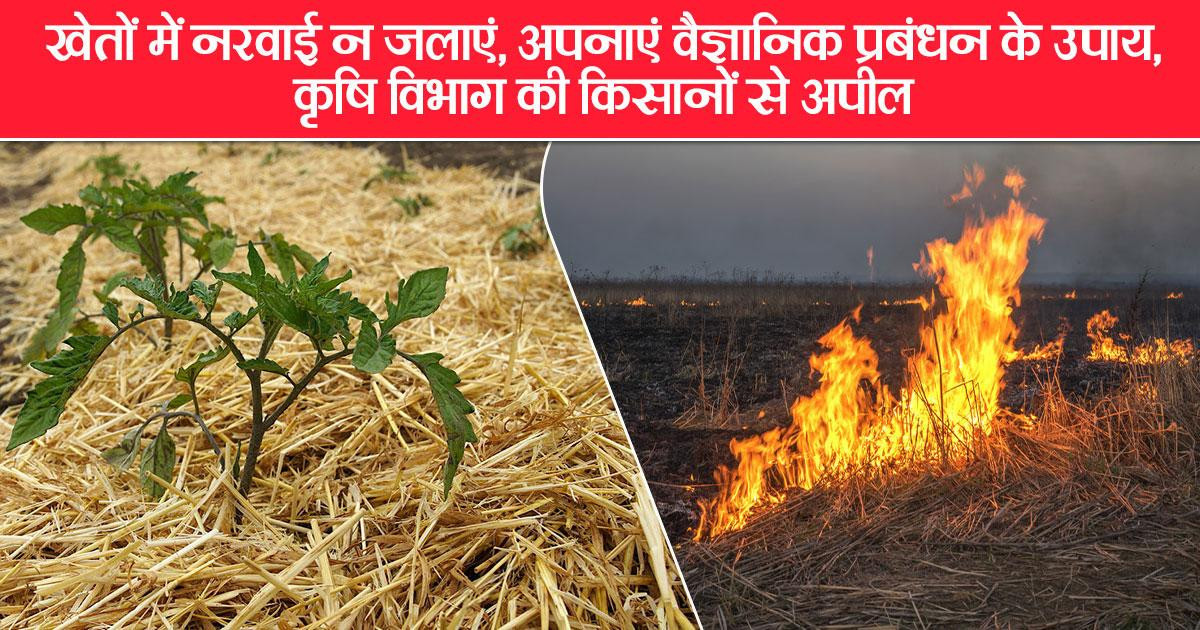
Protecting soil health is just as important as increasing farmers’ income for the long-term sustainability of agriculture. With this objective in mind, Union Agriculture Minister Shivraj Singh Chouhan held a Kisan Chaupal (farmers’ interaction) with farmers in Punjab. During the meeting, he discussed several key issues, including the harmful effects of stubble burning, access to modern agricultural machinery, crop insurance and government procurement at the Minimum Support Price (MSP).
He also highlighted that the Central Government is providing approximately ₹286 crore to Punjab this year to support crop residue management. What advice did the minister give farmers, and what measures did he emphasise to protect soil fertility? Here are the key highlights.
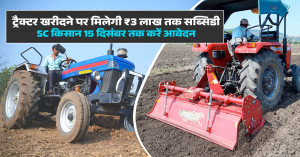
During the Kisan Chaupal, farmers highlighted concerns regarding the quality and availability of agricultural machinery. They also stressed the need for a reliable repair system to ensure that machines can be fixed promptly when they break down. Taking note of these concerns, the Union Agriculture Minister assured farmers that their suggestions would be considered seriously. He also proposed inviting the concerned farmers to Delhi for a detailed discussion on these issues. Chouhan said the Central Government is providing approximately ₹286 crore to Punjab during the current year under the Crop Residue Management (CRM) programme. He clarified that while the Centre provides financial assistance to states, the responsibility for purchasing agricultural machinery, checking its quality and ensuring proper repair facilities rests with the respective state government.
He urged the Punjab Government to ensure that farmers receive good-quality machinery at subsidised rates. He also emphasised the need for timely repair services so that farmers do not face difficulties during critical farming operations.
The Union Agriculture Minister stressed that increasing agricultural productivity while reducing cultivation costs is essential to making farming a more profitable enterprise. He encouraged farmers to move beyond conventional crop production and adopt an Integrated Farming System. This approach can combine crop diversification with allied activities such as dairy farming, fisheries and poultry farming, helping farmers diversify their income sources. Chouhan also expressed concern that the Pradhan Mantri Fasal Bima Yojana (PMFBY) has not yet been implemented in Punjab. He underlined the importance of crop insurance in protecting farmers from financial losses caused by natural disasters, floods and other unforeseen weather-related events.
Centre Assures MSP Procurement of Wheat, Paddy and Pulses:
The minister reiterated that the Central Government procures wheat and paddy from farmers across the country, including Punjab, at the Minimum Support Price (MSP). He also assured farmers of MSP-based procurement of pulses such as tur (pigeon pea), masoor (lentil) and urad (black gram). In addition, cotton is being procured at the MSP. Chouhan reaffirmed the Centre's commitment to strengthening the procurement system to ensure that farmers receive fair prices for their agricultural produce.
(FAQs):
1. How much financial assistance is the Central Government providing to Punjab for stubble management?
The Central Government is providing approximately ₹286 crore to Punjab during the current year under the Crop Residue Management (CRM) programme.
2. Who is responsible for providing agricultural machinery to farmers in Punjab?
The Central Government provides financial assistance, while the state government is responsible for purchasing machinery, checking its quality and ensuring repair facilities.
3. Why did Shivraj Singh Chouhan emphasise the Pradhan Mantri Fasal Bima Yojana?
He highlighted the importance of crop insurance in protecting farmers from financial losses caused by natural disasters, floods and other unforeseen risks.
4. What is an Integrated Farming System?
An Integrated Farming System combines crop production with activities such as dairy farming, fisheries and poultry farming to diversify farmers' income sources.
5. Which crops did the minister mention for MSP-based procurement?
The minister mentioned wheat, paddy, tur, masoor, urad and cotton for procurement at the Minimum Support Price (MSP).