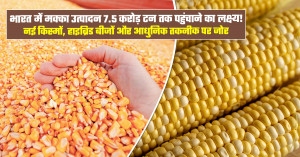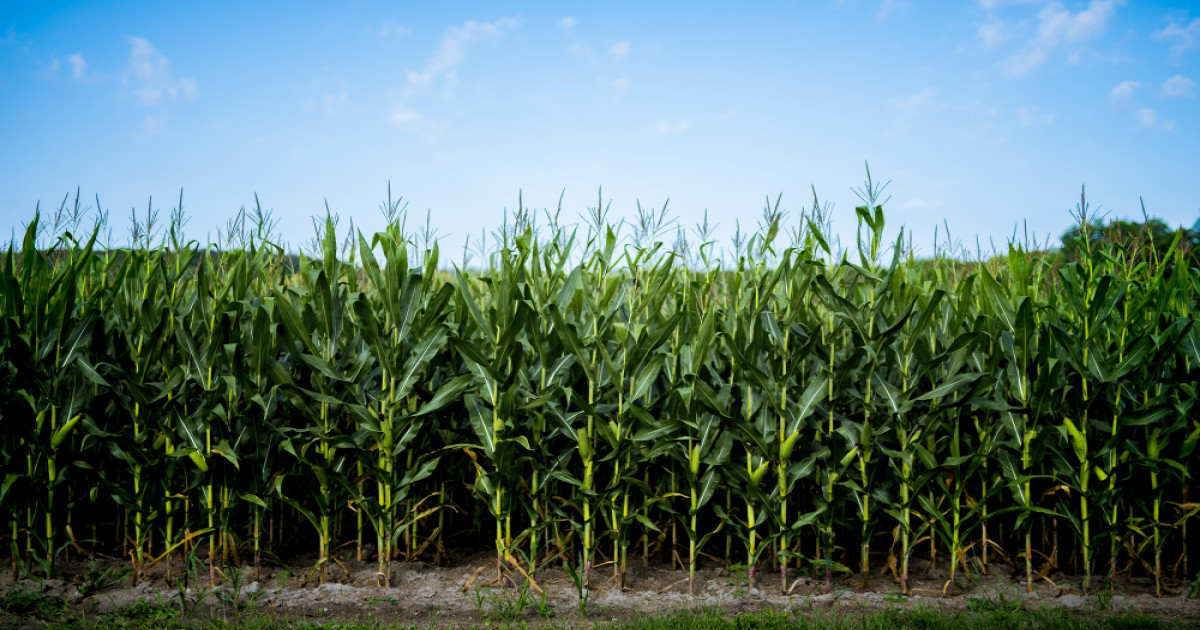
Livestock farmers may soon have more options for growing nutritious green fodder, with scientists at Govind Ballabh Pant University of Agriculture and Technology, Pantnagar, developing three new hybrid fodder maize varieties. Named Pant Hybrid Fodder Maize-1, Pant Hybrid Fodder Maize-2 and Pant Hybrid Fodder Maize-3, these varieties have been developed using useful genetic traits from wild maize and teosinte. The first two varieties have already been released and notified in the Government of India Gazette, while the notification process for the third is underway. The development is expected to expand the choices available to farmers for fodder cultivation and support better livestock feed management.
Scientists at Govind Ballabh Pant University of Agriculture and Technology have developed three hybrid maize varieties specifically for fodder production. The varieties are Pant Hybrid Fodder Maize-1, Pant Hybrid Fodder Maize-2 and Pant Hybrid Fodder Maize-3. According to the university, the first two varieties have been officially released and notified in the Government of India Gazette. The third variety is currently undergoing the notification process. The initiative aims to provide farmers with additional options for cultivating green fodder. However, their actual yield potential and suitability across different regions will depend on local agro-climatic conditions and crop management practices.
An important feature of the research is the use of beneficial genetic traits from wild maize and teosinte. Teosinte is a wild relative of cultivated maize and is widely used in scientific research related to maize improvement. By incorporating useful genetic characteristics into fodder maize, scientists have worked towards developing hybrids with potential benefits for fodder production and quality. The availability of nutritious green fodder is essential for maintaining livestock health and supporting effective dairy farm management.
Alongside developing the varieties, university scientists are working on techniques for hybrid seed production. Efforts are also underway to explore the commercialization of these varieties and their associated technologies. Developing a reliable seed production system and ensuring commercial availability will be important steps towards making these hybrids accessible to farmers. This process can also help translate university research into practical applications in agriculture and livestock farming.
New Fodder Options May Benefit Livestock Farmers:
A consistent supply of green fodder is a key requirement for successful livestock farming. Nutritious feed plays an important role in animal nutrition, health and overall farm management. When farmers can grow quality fodder locally, it may also reduce their dependence on purchased feed and help manage feeding expenses. The three hybrid fodder maize varieties developed by Pantnagar University could provide additional choices for green fodder cultivation. Before adopting them, farmers should check seed availability, regional suitability, recommended cultivation practices and guidance from agricultural experts or the university.
(FAQs):
Q1. How many new hybrid fodder maize varieties has Pantnagar University developed?
Pantnagar University has developed three hybrid fodder maize varieties for green fodder production.
Q2. What are the names of the three hybrid fodder maize varieties?
The three varieties are Pant Hybrid Fodder Maize-1, Pant Hybrid Fodder Maize-2 and Pant Hybrid Fodder Maize-3.
Q3. Which genetic traits were used to develop these fodder maize varieties?
Scientists used beneficial genetic traits from wild maize and teosinte to develop the three hybrid fodder maize varieties.
Q4. Have all three hybrid fodder maize varieties received government notification?
No. Pant Hybrid Fodder Maize-1 and Pant Hybrid Fodder Maize-2 have been released and notified in the Government of India Gazette. The notification process for the third variety is underway.
Q5. Are the new hybrid fodder maize seeds available for farmers?
Commercialization efforts and hybrid seed production techniques are being explored by university scientists. Farmers should contact the university or local agricultural experts for the latest information about seed availability.