While addressing a farmers' fair, Prime Minister Narendra Modi emphasized the importance of promoting modern technology, solar energy, value addition, and natural farming in the agricultural sector. He said that instead of depending only on traditional crops such as wheat, rice, and sugarcane, farmers should explore additional income opportunities through animal husbandry, fisheries, beekeeping, and horticulture. The Prime Minister also highlighted AI-based agricultural equipment, solar-powered machinery, and 10,000 Farmer Producer Organizations (FPOs), stressing the need to make farming more modern, efficient, and profitable.
During his address, the Prime Minister highlighted the growth in production across agriculture and allied sectors. He stated that India exports agricultural products worth more than Rs 4 lakh crore every year. According to him, India ranks first globally in milk and pulses production and is also among the leading producers of wheat, cotton, fruits, vegetables, and fish. The Prime Minister said that over the past decade, India's milk production has increased by approximately 70%, while egg production has grown by nearly 90%. Fish production has more than doubled, and honey production has increased from around 80,000 tonnes to 1.5 lakh tonnes. Similarly, horticulture production has grown from 280 million tonnes to more than 350 million tonnes.
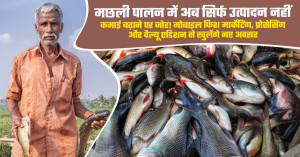
The Prime Minister urged farmers not to limit themselves to traditional crops such as wheat, rice, and sugarcane. By integrating animal husbandry, fisheries, beekeeping, and horticulture with farming, farmers can develop new sources of income. He also referred to the Green Revolution and White Revolution, followed by the Blue Revolution and Sweet Revolution. He informed that around 12 lakh solar pumps have been distributed under the Pradhan Mantri Kisan Urja Suraksha evam Utthaan Mahabhiyan (PM-KUSUM).
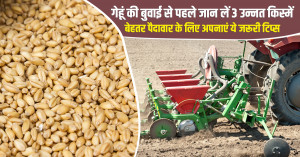
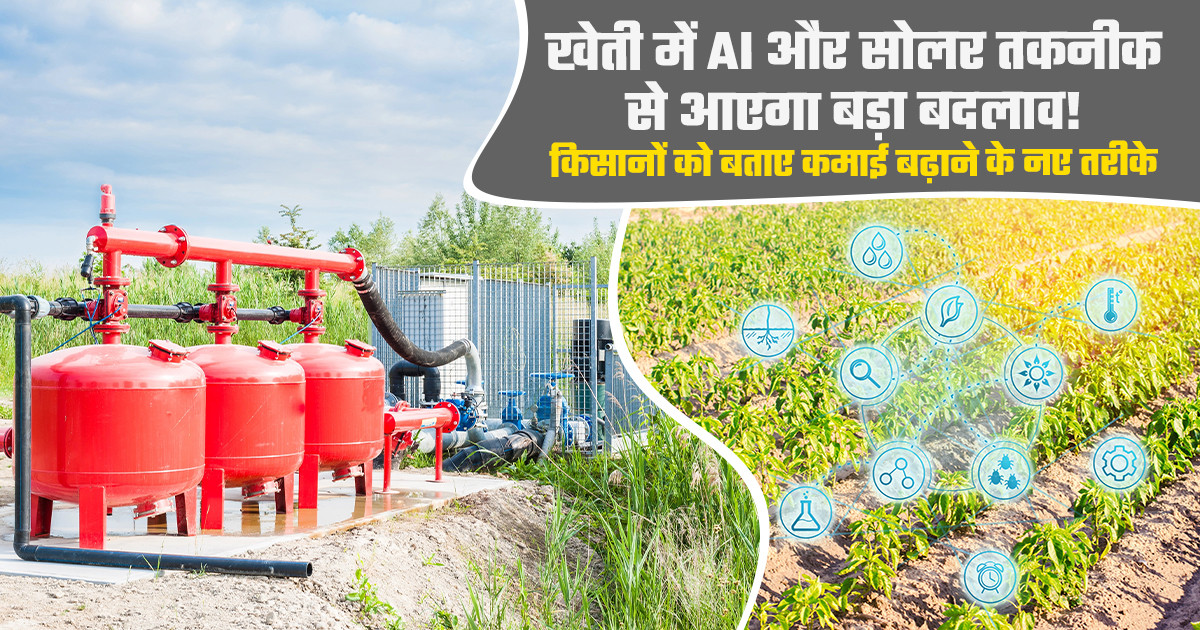
Prime Minister highlighted the need to adopt new technologies in agricultural machinery manufacturing. He encouraged companies, MSMEs, and startups to develop agricultural equipment that can operate using solar energy. He said that solar-powered machinery could make farming operations easier and help farmers manage production costs in the coming years. At the same time, AI- and sensor-based equipment can provide farmers with accurate information related to soil conditions, crop management, and fertilizer application. Mobile-based soil testing technology can also help farmer’s select suitable crops and fertilizers according to the specific requirements of their land.
10,000 FPOs to Create Market Access and Value Addition Opportunities for Small Farmers:
The Prime Minister stated that 10,000 Farmer Producer Organizations (FPOs) have been established across the country. Through these organizations, small farmers can work collectively in production, processing, and marketing activities.
He advised farmers to focus not only on selling raw agricultural produce but also on its processing, packaging, and branding. Citing an example from Gujarat, he explained that farmers in some villages had started processing chillies into powder instead of selling them directly. They began selling the processed product with proper packaging and branding, creating opportunities to obtain better prices for their produce.
Government Has Spent Rs 16 Lakh Crore on Fertilizer Subsidies:
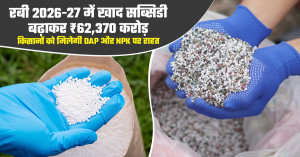
Prime Minister said that the government has spent Rs 16 lakh crore over the past 12 years to ensure the availability of fertilizers to farmers at affordable prices. Referring to the international market prices of DAP and urea, he explained that despite higher global prices, Indian farmers continue to receive fertilizers at lower rates through government subsidies. The objective is to reduce the burden of agricultural input costs on farmers and make farming more affordable.
Appeal to Adopt Natural Farming and Protect Soil Health:
Expressing concern over the excessive use of chemical fertilizers and pesticides, the Prime Minister urged farmers to gradually move towards natural farming. He said that maintaining soil health is essential for the future of agriculture. Instead of applying fertilizers and pesticides unnecessarily, farmers should use them according to soil testing results and the recommendations of agricultural experts. He also encouraged progressive farmers to share their experiences and knowledge of natural farming with other farmers so that more people can understand and adopt this sustainable farming approach.
Scientific Knowledge to Reach Farmers' Fields through the 'Lab to Land' Initiative:
Prime Minister explained that efforts had been made to take scientists and agricultural experts directly to villages and farmers' fields to provide recommendations based on soil, water, and crop requirements. He described this approach as 'Lab to Land', meaning the transfer of scientific knowledge from laboratories to agricultural fields. He highlighted the presence of more than 8,400 soil testing laboratories and over 750 Krishi Vigyan Kendras (KVKs) across the country. He also informed that more than 8 crore livestock animals had received free vaccinations to protect them against Foot-and-Mouth Disease (FMD).
(FAQs):
1. What new income opportunities did PM Modi suggest for farmers?
He suggested animal husbandry, fisheries, beekeeping, and horticulture alongside traditional farming.
2. How many FPOs have been established in India?
Around 10,000 Farmer Producer Organizations (FPOs) have been established across the country.
3. How can AI help farmers?
AI- and sensor-based equipment can help farmers understand soil conditions, crop requirements, and fertilizer applications.
4. How much has the government spent on fertilizer subsidies?
The government has spent approximately Rs 16 lakh crore on fertilizer subsidies over the past 12 years.
5. What is the Lab to Land initiative?
It aims to bring scientific knowledge and agricultural research directly to farmers' fields through scientists and agricultural experts.