Farmers often use the terms soil fertility and soil productivity interchangeably. However, these two concepts have different meanings in agriculture. Having sufficient nutrients in the soil does not automatically guarantee higher crop yields. To achieve better production, farmers need not only fertile soil but also proper crop management. So, what exactly distinguishes soil fertility from soil productivity? How do these factors influence crop yields, and what steps can farmers take to improve the productive capacity of their fields? Let us understand these concepts in detail.
Soil fertility refers to the ability of soil to supply essential nutrients required for healthy plant growth and development. In simple terms, it indicates how well the soil can meet a crop's nutritional requirements. Plants require 17 essential nutrients to complete their growth cycle. These include primary nutrients such as nitrogen, phosphorus, and potassium, secondary nutrients like calcium, magnesium, and sulphur, as well as essential micronutrients. Soil fertility depends on the availability of these nutrients, their balance and the presence of organic matter. Even when nutrients are present in the soil, they must be available in forms that plants can absorb and use effectively. Organic matter also plays an important role in maintaining soil health. It supports beneficial microbial activity, improves soil structure and contributes to nutrient cycling.
Regular soil testing is therefore important. It helps farmers identify nutrient deficiencies, excesses and imbalances, allowing them to make informed decisions about fertiliser application and soil management.
Soil productivity refers to the capacity of a field to produce crops under a given set of growing conditions and management practices. It is generally assessed through the actual yield obtained from a particular area of land. For example, if a farmer harvests 50 quintals of wheat or 60 quintals of paddy per hectare, these figures provide an indication of the field's crop productivity. However, crop production is not determined by soil nutrients alone. Several other factors influence the final yield, including weather conditions, irrigation, seed quality, sowing time, weed management and the control of pests and diseases. For instance, a field may contain sufficient nutrients, but if sowing is delayed, weeds are not controlled or irrigation is poorly managed, crop growth and yield can suffer. This means that fertile soil does not necessarily translate into high productivity.
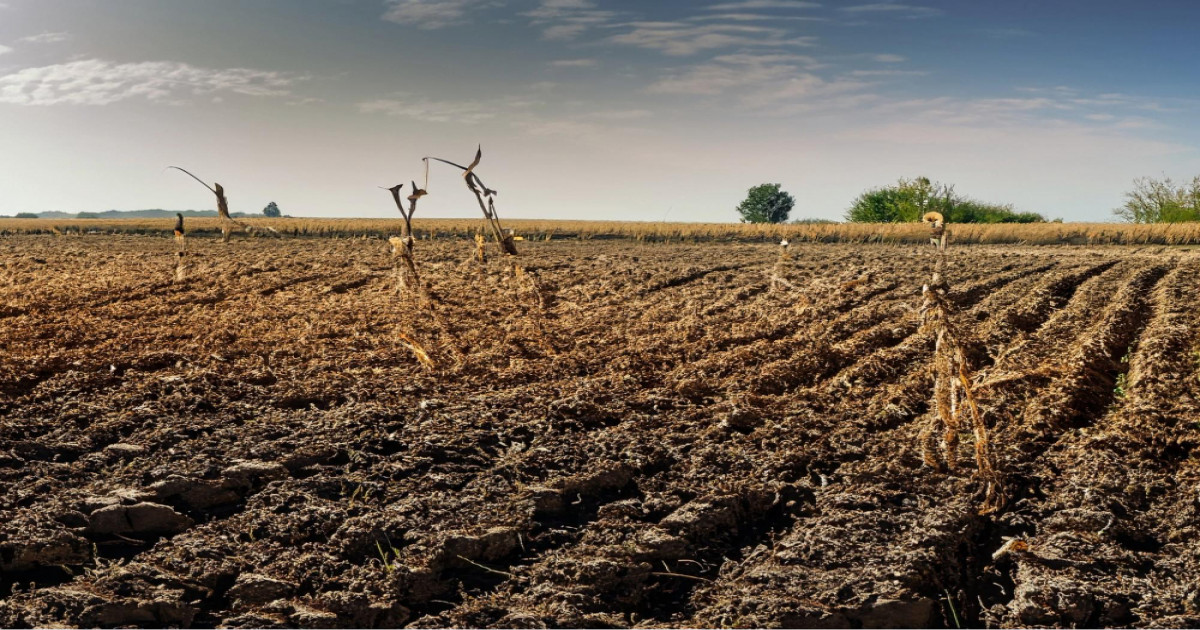
Soil fertility and soil productivity are closely connected, but they are not the same. Good soil fertility provides the nutritional foundation for crop growth, while effective crop management helps farmers make the best use of that foundation. Consider a field with adequate nutrients and a good level of organic matter. If the farmer fails to sow the crop at the right time, allows weeds to compete with the crop or does not manage pests and diseases effectively, the final harvest may be disappointing despite the soil's fertility. The opposite situation can also occur. A field may have problems such as salinity or excessive acidity. Even if the farmer follows proper sowing practices, irrigation schedules and weed-control measures, achieving a satisfactory yield may remain difficult. In such cases, the underlying soil constraints must first be identified and addressed through suitable soil improvement practices. Therefore, sustainable crop production requires a combination of balanced soil fertility and effective field management.
How Can Farmers Improve Soil Fertility and Productivity?
To maintain healthy soil and achieve better crop yields, farmers should focus on both nutrient management and timely agricultural operations. The following practices can help improve the productive capacity of farmland.
1. Get Soil Tested Regularly:
Farmers should arrange periodic soil testing to understand the availability of nitrogen, phosphorus, potassium and micronutrients. Soil tests can also help identify problems related to pH, salinity and other soil properties. Fertiliser decisions should be based on these results rather than guesswork.
2. Follow Balanced Fertiliser Management:
Apply fertilisers according to soil test recommendations and the nutritional requirements of the crop. Avoid excessive or unnecessary use of urea and DAP. Balanced nutrient application can help prevent nutrient deficiencies and improve fertiliser-use efficiency.
3. Increase Organic Matter in the Soil:
Use well-decomposed farmyard manure, compost, and other suitable organic inputs to maintain soil health. Proper management of crop residues can also help conserve organic matter and support beneficial soil organisms.
4. Ensure Timely Sowing and the Right Seed Rate:
Choose suitable crop varieties according to the local climate and growing conditions. Follow the recommended sowing window, seed rate, and plant spacing to establish a healthy crop stand and reduce unnecessary competition between plants.
5. Manage Irrigation, Weeds, Pests and Diseases:
Provide irrigation according to the crop's growth stage and soil moisture conditions. Timely weed control is equally important because weeds compete with crops for nutrients, water, sunlight, and space. Farmers should also monitor their fields regularly and take appropriate measures to manage pests and diseases before they cause significant crop losses.
Healthy Soil and Better Management Lead to Better Yields:
Soil fertility and soil productivity are two important but distinct aspects of successful farming. Soil fertility describes the soil's ability to supply essential nutrients, whereas soil productivity reflects how effectively the land produces crops under prevailing conditions. A fertile field provides a strong foundation for agricultural production, but achieving higher yields also requires timely sowing, balanced nutrition, efficient irrigation and effective crop protection.
(FAQs):
1. What is the main difference between soil fertility and soil productivity?
Soil fertility refers to the ability of soil to supply essential nutrients to plants, whereas soil productivity refers to the capacity of land to produce crops under specific environmental and management conditions.
2. Can fertile soil have low productivity?
Yes. Even fertile soil can have low productivity due to poor irrigation, unsuitable seeds, delayed sowing, weed competition, pests, diseases or unfavourable weather conditions.
3. How can farmers check soil fertility?
Farmers can check soil fertility through regular soil testing. Soil tests provide information about nutrient availability, pH, salinity and nutrient deficiencies.
4. Which practices help improve soil productivity?
Farmers can improve soil productivity through balanced fertiliser use, organic manure application, timely sowing, quality seeds, proper irrigation and effective weed and pest management.
5. Why is organic matter important for soil fertility?
Organic matter improves soil structure, supports beneficial microorganisms, helps maintain nutrient availability and contributes to overall soil health. It plays an important role in maintaining long-term soil fertility.