Haryana government is planning significant changes to the state's agricultural procurement system to make the purchase of crops more transparent, efficient and farmer-friendly. Under the proposed reforms, the procurement process will be increasingly integrated with digital technology, while separate action plans will be developed for each district. The initiative aims to reduce farmers' difficulties at mandis, improve transparency in government procurement and ensure timely payments for their produce. Better infrastructure, digital verification and closer monitoring of crop movement are also expected to play an important role in the revamped system.
The state government has directed officials to develop dedicated procurement plans at the district level to ensure smoother operations during the marketing season. These plans will take into account local agricultural production, crop arrivals, the capacity of mandis and the number of farmers in each district. A district-specific approach is expected to help authorities identify potential bottlenecks in advance and take corrective measures before procurement activities begin. This could also improve coordination between procurement agencies and local administrative authorities. The government is also considering setting up additional procurement centres wherever required and strengthening warehouse availability. These measures are intended to prevent long waiting periods for farmers during peak arrivals and ensure adequate storage facilities for the procured produce.
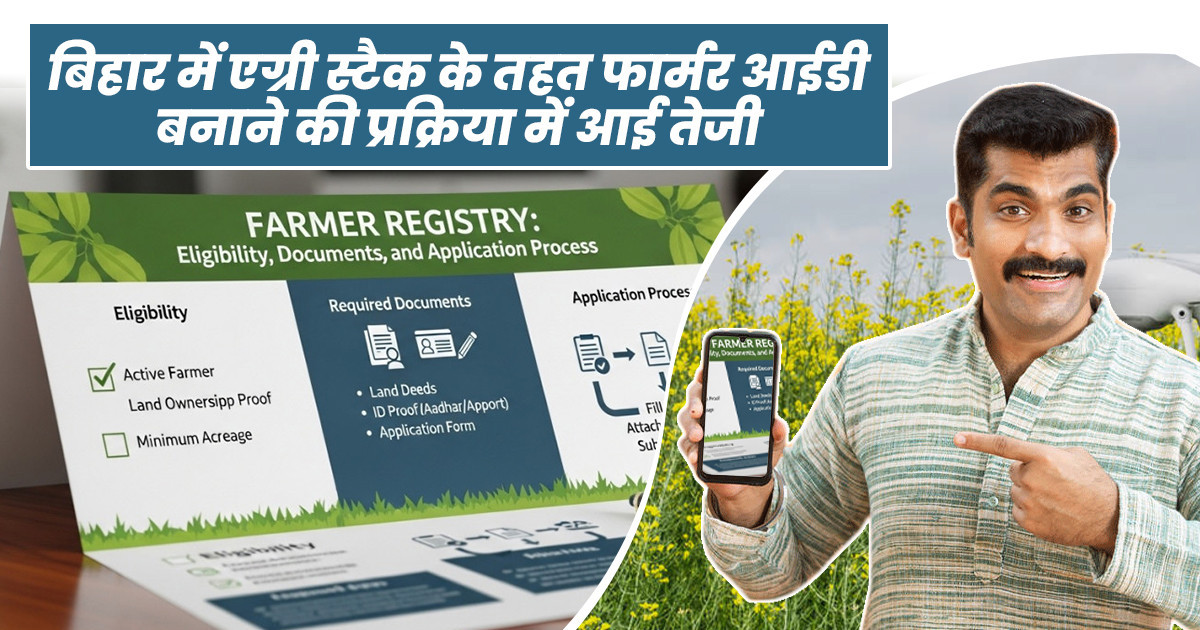
Digital farmer registration through the AgriStack platform is expected to become an important part of the revised procurement framework. Under the proposed arrangement, farmers may be required to complete their registration within the prescribed timeline to participate in government procurement. AgriStack aims to bring farmers' identities, land records and agricultural information together through a digital framework. Linking these records can make farmer verification easier during procurement and help government agencies identify genuine beneficiaries of agricultural support programmes.
Farmers should keep track of official announcements issued by the relevant Haryana government departments regarding the registration process. The applicable deadline, eligibility conditions and other requirements should be confirmed through official notifications once they are released.
Haryana operates one of the country's major government crop procurement systems, with substantial quantities of wheat and paddy purchased every year. According to the available figures, the state procured approximately 81.17 lakh metric tonnes of wheat during the Rabi Marketing Season 2026-27. Around 5,98,174 farmers participated in the procurement process, receiving payments totaling nearly ₹20,856 crore. Similarly, during the Kharif Marketing Season 2026-27, approximately 50.50 lakh metric tonnes of paddy were procured. The procurement involved around 3,19,591 farmers, while payments amounting to nearly ₹11,272 crore were reported. The payment process was stated to be ongoing.
Together, payments for wheat and paddy procurement reached approximately ₹32,128 crore. Managing procurement on such a large scale requires effective coordination, reliable records and strong monitoring mechanisms. This is why digital systems are expected to become increasingly important in the state's agricultural procurement operations.
The government is planning to make greater use of technology to prevent irregularities and improve accountability throughout the procurement chain. Proposed measures include biometric verification of farmers, geo-fencing of procurement-related transactions and verification of vehicle registration details. These steps are intended to strengthen the authentication process and reduce the possibility of discrepancies in procurement records.
The monitoring of grain transportation from procurement centres will also be strengthened through vehicle photographs and GPS-based tracking. In addition, a three-stage verification process is proposed before vehicles carrying procured produce are allowed to exit designated locations. These measures are expected to improve coordination between the quantity of grain recorded at procurement centres and the actual movement of produce. They could also help authorities monitor transportation more effectively and identify discrepancies at an early stage.
Rice Mill Registration and Physical Verification to Go Digital:
Digital monitoring will also extend to rice mills involved in processing paddy procured by government agencies. The proposed system includes digital registration of rice mills and geo-fencing-based physical verification of their locations. Online billing will also be encouraged to improve record-keeping and make the process easier to monitor. By maintaining digital records of rice mills and strengthening physical verification, the government aims to improve transparency in the milling process. These measures may also help prevent the use of false records and strengthen monitoring of grain storage, processing and transportation.
How Will the New System Benefit Farmers?
The broader objective of Haryana's proposed reforms is to make government procurement more transparent, accountable and technology-driven. District-level procurement plans, additional purchase centres and improved warehouse facilities could help reduce congestion at mandis and make the procurement process more convenient for farmers. Digital registration and verification may also help improve the identification of genuine farmers and strengthen the monitoring of procurement-related transactions.
However, the success of the new system will largely depend on how easily farmers can complete the registration process and how effectively digital facilities are made available in rural areas. Farmers should ensure that their land and crop-related records are accurate and stay informed about the latest government instructions.
(FAQs):
1. What changes is Haryana planning in crop procurement?
The government is planning district-wise procurement plans, digital verification, GPS tracking and improved mandi facilities.
2. Will AgriStack registration be required for farmers?
AgriStack registration is expected to become an important requirement. Farmers should check the official notification for confirmation.
3. How much wheat did Haryana procure in 2026-27?
Haryana procured approximately 81.17 lakh metric tonnes of wheat during the Rabi Marketing Season 2026-27.
4. How much paddy did Haryana procure in 2026-27?
The state procured approximately 50.50 lakh metric tonnes of paddy during the Kharif Marketing Season 2026-27.
5. How will the new procurement system benefit farmers?
It may reduce mandi waiting times, improve transparency, strengthen crop monitoring and make government procurement more convenient for farmers.