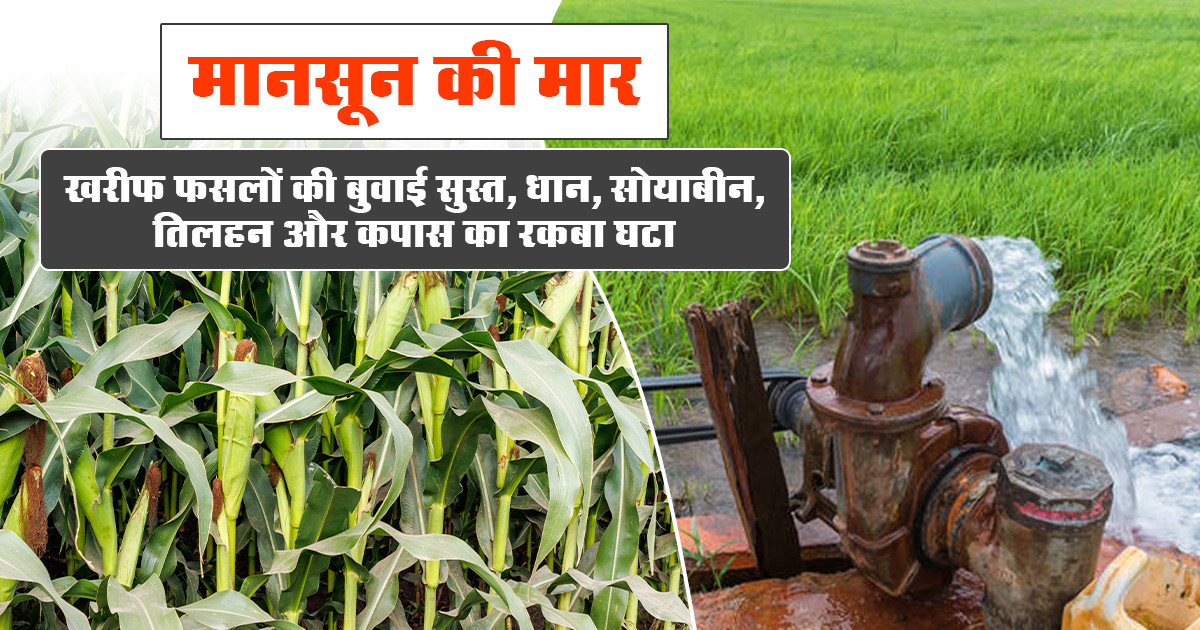
The progress of the 2026 Kharif sowing season has remained slower than expected as delayed and uneven monsoon rainfall continues to affect agricultural activities across several parts of the country. According to the latest data released by the Ministry of Agriculture as of 10 July 2026, total Kharif crop coverage stands at 531.25 lakh hectares, significantly lower than 632.69 lakh hectares recorded during the same period last year. This represents a decline of 101.44 lakh hectares year-on-year. Compared with the five-year average (2021–2025), the total sown area is also 18.11 lakh hectares lower. The sharpest decline has been observed in rice, oilseeds, pulses, coarse cereals, and cotton, while sugarcane and jute have recorded modest gains.
Government data show that 531.25 lakh hectares had been sown under Kharif crops by 10 July, compared with 632.69 lakh hectares during the corresponding period in 2025. Although sowing has lagged behind so far, agricultural experts expect the pace to improve if monsoon rainfall becomes more widespread and consistent in the coming weeks.
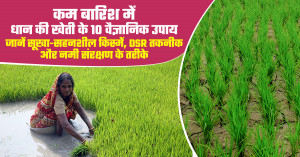
Rice has been sown across 114.69 lakh hectares, down from 125.53 lakh hectares during the same period last year a decline of 10.84 lakh hectares. Despite the year-on-year reduction, rice coverage remains 16.95 lakh hectares above the five-year average, indicating that planting is still performing better than long-term seasonal trends.
Cotton Acreage Remains Well Below Last Year:
Cotton has been sown over 79.54 lakh hectares, compared with 93.95 lakh hectares during the corresponding period in 2025. The crop has recorded a year-on-year decline of 14.41 lakh hectares and remains 16.28 lakh hectares below the five-year average, indicating slower planting progress.
Sugarcane and Jute Register Positive Growth:
While most Kharif crops have witnessed reduced acreage, sugarcane and jute & mesta have shown encouraging growth. Sugarcane 57.58 lakh hectares (up by 0.86 lakh hectares over last year), Jute & Mesta: 6.28 lakh hectares (up by 0.12 lakh hectares). Both crops have also exceeded their respective long-term average sowing areas.
Future Sowing Progress Depends on Monsoon Performance:
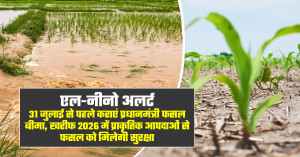
Agricultural experts attribute the slower sowing pace primarily to delayed monsoon advancement and uneven rainfall distribution across several states. If widespread and consistent rainfall continues during the coming weeks, sowing of rice, soybean, cotton, pulses, and coarse cereals is expected to accelerate.
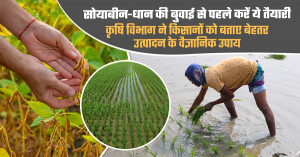
Farmers have been advised to monitor local weather forecasts closely and follow recommendations issued by state agriculture departments before sowing. Ensuring adequate soil moisture before planting can improve seed germination, establish healthy crop stands, and ultimately enhance productivity during the 2026 Kharif season.
FAQs:
1. How much area has been covered under Kharif sowing in 2026?
As of 10 July 2026, total Kharif sowing has reached 531.25 lakh hectares, according to the Ministry of Agriculture.
2. Which crop recorded the biggest decline in Kharif sowing?
Soybean sowing recorded one of the largest declines, with acreage falling by 17.21 lakh hectares compared with last year.
3. Has rice sowing decreased this year?
Yes. Rice sowing stands at 114.69 lakh hectares, which is 10.84 lakh hectares lower than the same period last year.
4. Which crops have shown positive growth during Kharif 2026?
Sugarcane and Jute & Mesta are the only major crops that have registered an increase in sowing area over last year.
5. What can improve Kharif sowing progress?
Experts say timely and widespread monsoon rainfall along with adequate soil moisture will help accelerate Kharif sowing across India.