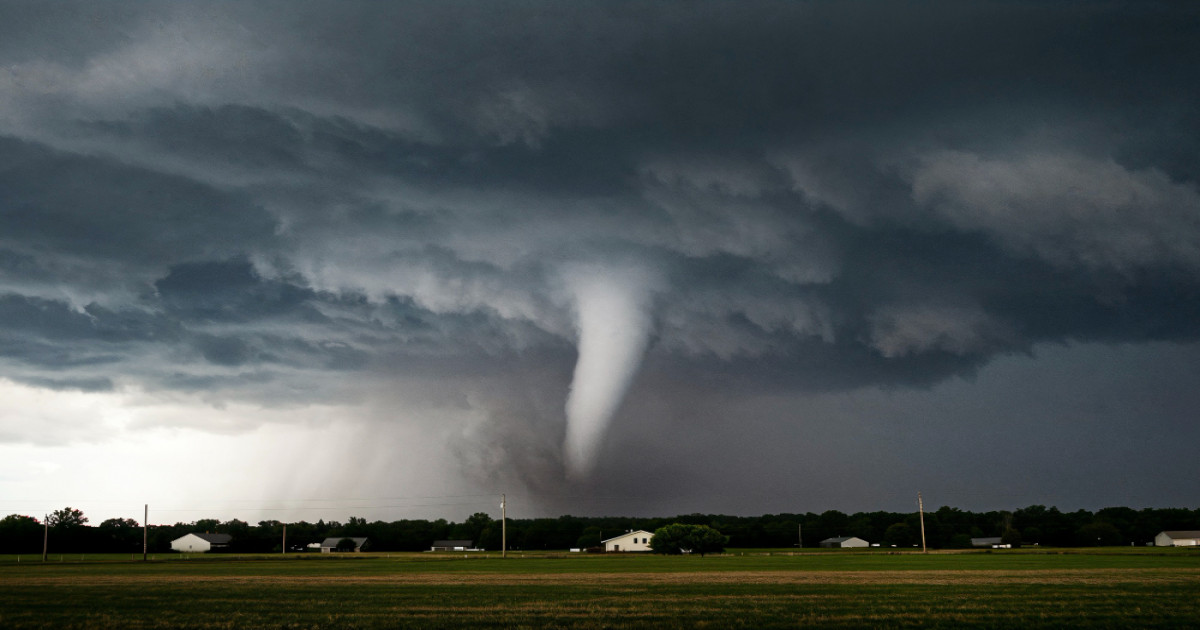
Cyclone Senyar has weakened, but the weather system over the Bay of Bengal has rapidly strengthened, forming Cyclone Ditwah. Under its influence, heavy to extremely heavy rainfall is likely across Tamil Nadu, Puducherry, Andhra Pradesh, Rayalaseema, and Kerala between 27 and 30 November. Wind speeds in several areas may reach 80–100 kmph, with rough sea conditions expected. Fishermen have been strictly advised not to venture into the sea until 1 December.
According to the India Meteorological Department (IMD), 28 and 29 November will be critical for many districts of Tamil Nadu, where isolated locations may receive more than 204 mm of rainfall. Coastal Andhra Pradesh and Rayalaseema are expected to see heavy to very heavy rain on 30 November. Kerala and Mahe may experience continuous rainfall accompanied by strong winds from 27 to 29 November.
Cyclone Senyar, formed near the Malacca Strait, has now weakened into a depression and is unlikely to have a significant impact on India’s weather.
However, a strong Western Disturbance is currently active over North India, bringing chances of rain and snowfall in the higher reaches of Jammu & Kashmir, Himachal Pradesh, and Uttarakhand.
Dense fog is likely over Haryana, Punjab, and Delhi from 28 to 30 November. Additionally, cold wave conditions may develop in parts of Punjab and Rajasthan on 28–29 November and 3–4 December.
The past 24 hours, Delhi recorded a minimum temperature of 8–9°C, which is 1–5°C below normal. The maximum temperature has remained between 22–25°C. Morning hours witnessed reduced visibility due to fog and pollution, affecting air quality and traffic movement.
Read More- Pollution increases with winter in Delhi-NCR, air quality deteriorates