Uttar Pradesh government is preparing to give a major push to natural farming and rural livelihoods through a new cow dung-based organic fertiliser initiative. Under the plan, organic manure will be produced on a large scale at nearly 7,500 cow shelters across the state and supplied to farmers at subsidised rates.
The initiative is being seen as a significant step towards strengthening rural economies, reducing farming costs, and improving soil health. The government also aims to connect cow protection with sustainable agriculture, employment generation, and women’s empowerment in villages. The organic fertiliser produced under the scheme will be packed in 50-kg bags, making it easier for farmers to access and use in their fields.
To maintain quality standards, agricultural universities, Krishi Vigyan Kendras, and authorised agencies will oversee the testing, certification, and procurement of the organic fertiliser. This is expected to ensure that farmers receive reliable and high-quality products for agricultural use.
The state government also plans to launch dedicated training programmes for preparing organic manure from cow dung. Trainers will be developed at the village level to guide cattle rearers, self-help groups, and rural youth in organic fertiliser production techniques. The move is expected to create new self-employment and local job opportunities in rural areas.
According to Uttar Pradesh Gau Seva Commission Chairman Shyam Bihari Gupta, the government is making a serious effort to transform cow dung into an economic resource for the first time on such a large scale. He said the production, packaging, transportation, and marketing of cow dung-based organic fertiliser would generate employment across villages. The initiative is also expected to increase the income of cattle rearers and accelerate economic activities in rural regions, especially benefiting women and self-help groups.
With demand for organic products and natural farming practices rising across the country, the scheme could offer farmers a sustainable alternative to chemical fertilisers. The use of organic manure is expected to reduce dependence on DAP and urea while promoting environmentally friendly farming practices.
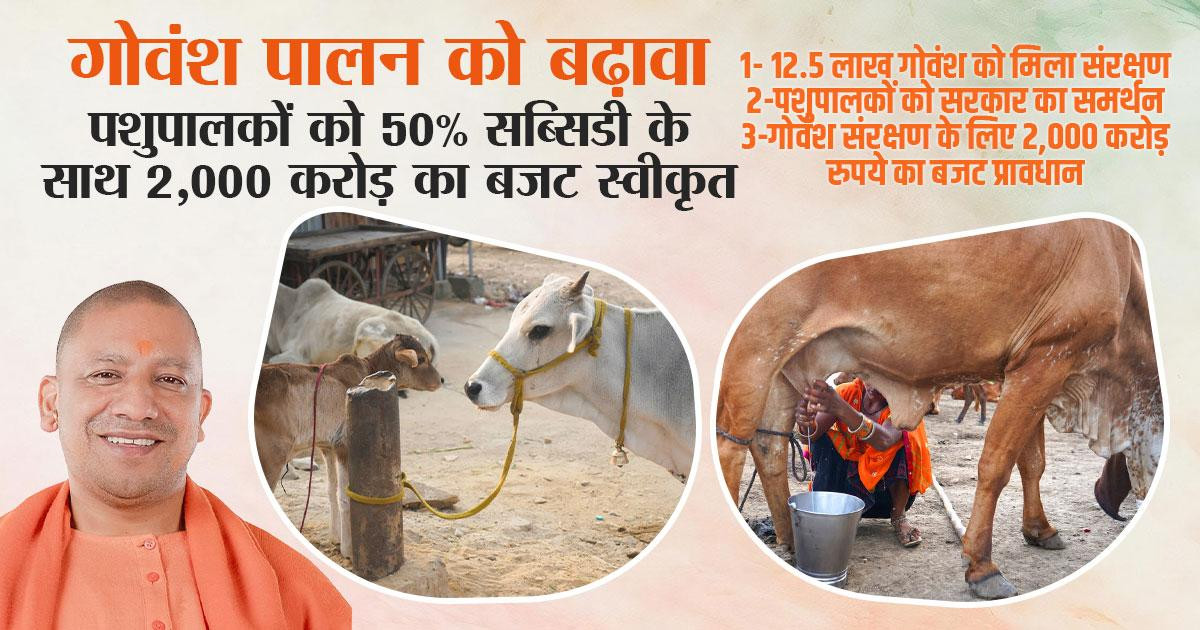
Uttar Pradesh government has reportedly approved around ₹2,000 crore for cow protection initiatives, while an additional ₹100 crore has been allocated for the development of large cow protection centres. The long-term goal is to establish at least one self-reliant cow shelter in every district.
At present, nearly 12.5 lakh cattle are being protected in around 7,500 cow shelters across the state. The government now plans to convert these shelters into production hubs for organic fertiliser and other cow-based products.
Experts estimate that a single cow can produce nearly 10 kilograms of dung and around 5 litres of cow urine daily. These resources can be used to manufacture organic manure, natural pesticides, and several other eco-friendly agricultural products.
Direct Benefit Transfer Bringing Transparency:
Mukhyamantri Sahbhagita Yojana, more than 1.80 lakh cattle have already been handed over to nearly 1.25 lakh cattle rearers. The government is providing financial assistance of ₹50 per cattle per day directly into beneficiaries’ bank accounts through the Direct Benefit Transfer (DBT) system.
FAQs:
1. What is the main objective of the cow dung-based organic fertiliser scheme?
The scheme aims to promote natural farming, reduce chemical fertiliser use, and generate rural employment opportunities.
2. How many cow shelters are included in this initiative?
Around 7,500 cow shelters across Uttar Pradesh are part of the project.
3. Who will test the quality of organic fertiliser?
Agricultural universities, Krishi Vigyan Kendras, and authorised agencies will monitor quality testing and certification.
4. How will farmers benefit from this scheme?
Farmers will receive subsidised organic manure, helping reduce farming costs and improve soil fertility.
5. What financial support is provided under Mukhyamantri Sahbhagita Yojana?
The government provides ₹50 per cattle per day directly into beneficiaries’ bank accounts through DBT.