Central Government is preparing to launch a major initiative aimed at increasing farmers’ income while promoting clean energy in agriculture. The new version of the (PM-KUSUM) scheme, called “PM-KUSUM 2.0,” is expected to create fresh earning opportunities for farmers, especially those engaged in fruit, vegetable, and horticulture farming.
The upcoming scheme is designed to encourage solar power generation directly on farmland, allowing farmers to continue cultivation while also producing electricity. According to sources, the Ministry of New and Renewable Energy (MNRE) is currently preparing the Cabinet note for the project, and approval could come within the next few weeks. Once cleared, the scheme is likely to be implemented in phases across the country.
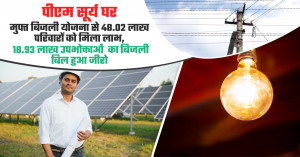
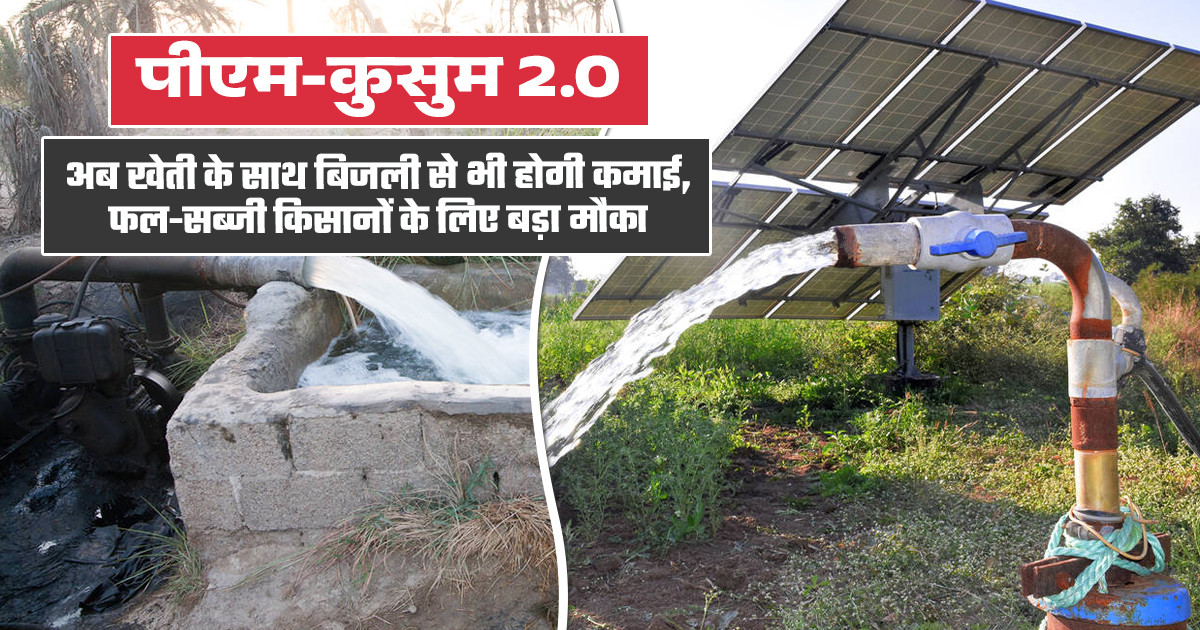
PM-KUSUM 2.0, elevated solar panel structures will be installed on agricultural land. The government has reportedly set a target of generating around 10,000 MW of electricity through these solar systems. The panels will be mounted at a sufficient height so that farming activities underneath remain unaffected.
Agriculture experts believe that many horticulture crops such as tomatoes, brinjal, papaya, mango, and several vegetables perform well under partial shade. This model will allow farmers to use the same land for both cultivation and power generation, creating an additional source of steady income.
The scheme will promote the Agri-PV model, in which solar panels will be installed at a minimum height of 2.1 meters. This arrangement is expected to provide balanced sunlight and shade to crops while maintaining land productivity.
Farmers will not only earn from selling their produce but will also be able to sell surplus electricity to the power grid. Officials believe that farmers with larger landholdings could potentially generate substantial annual income through solar power production.
One of the key objectives of PM-KUSUM 2.0 is to reduce dependence on diesel pumps used for irrigation. The government is focusing on expanding solar-powered irrigation systems to make farming more affordable and sustainable.
The shift toward solar energy could help reduce irrigation costs, ensure timely water supply, lower pollution levels, and decrease farmers’ dependence on expensive fuel. It may also reduce the burden of electricity subsidies on state governments.
Proposed Budget of ₹50,000 Crore:
The proposed outlay for PM-KUSUM 2.0 is estimated at nearly ₹50,000 crore, which is around 45 percent higher than the existing scheme. The new version is expected to focus heavily on decentralized solar plants, feeder-level solarization, and battery storage systems to ensure electricity availability even during nighttime.
Lessons Learned from the Previous Phase:
The original PM-KUSUM scheme, launched in 2019, faced several challenges, including financing issues, grid connectivity limitations, and lack of awareness among farmers. Although millions of farmers benefited from the scheme, many targets related to solar capacity installation could not be fully achieved.
The government is now working to make PM-KUSUM 2.0 more practical, efficient, and farmer-friendly by addressing the shortcomings experienced during the earlier phase.
A Potential Game-Changer for Horticulture Farmers:
Experts believe that if implemented effectively, PM-KUSUM 2.0 could become a major turning point for fruit, vegetable, and horticulture growers. The integration of farming and solar power generation has the potential to strengthen rural economies, improve energy security, and create a more sustainable income model for farmers in the years ahead.
FAQs:
1. What is PM-KUSUM 2.0?
PM-KUSUM 2.0 is the upcoming upgraded version of the PM-KUSUM scheme aimed at helping farmers generate solar power along with farming activities.
2. Which farmers will benefit the most from PM-KUSUM 2.0?
Fruit, vegetable, and horticulture farmers are expected to benefit the most from the scheme.
3. How will farmers earn through PM-KUSUM 2.0?
Farmers can earn by selling crops and also by supplying surplus solar electricity to the power grid.
4. What is the main goal of PM-KUSUM 2.0?
The main goal is to increase farmers’ income and promote clean solar energy in agriculture.
5. How will PM-KUSUM 2.0 help in irrigation?
The scheme will encourage solar-powered irrigation systems, reducing dependence on diesel pumps and lowering irrigation costs.