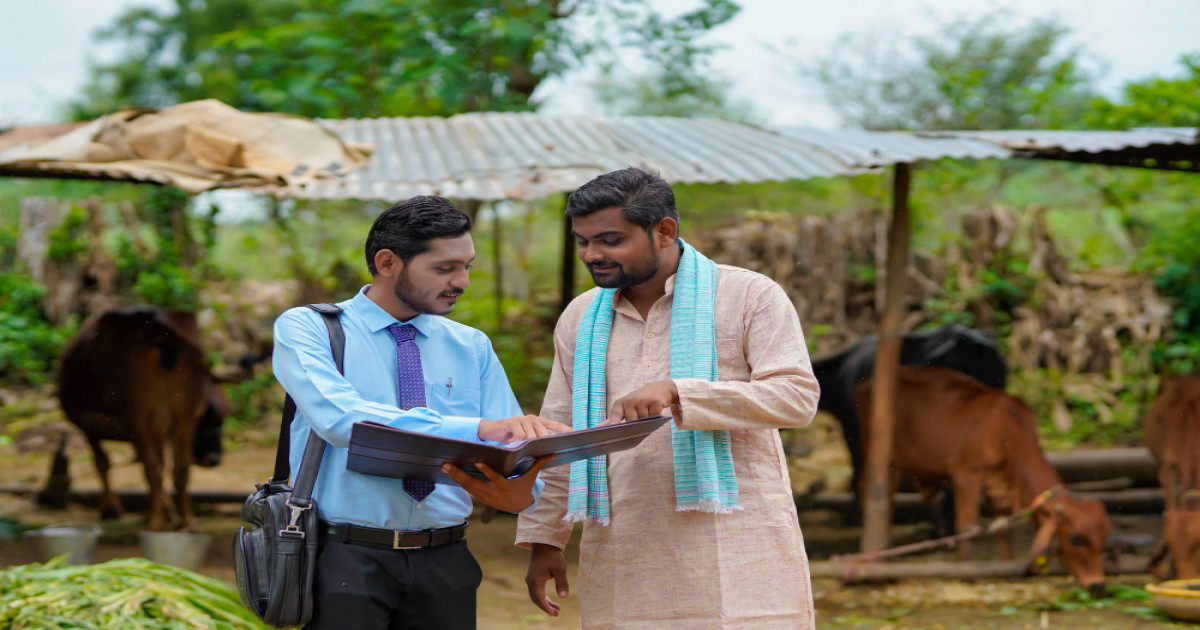
Madhya Pradesh government has announced a major relief measure for paddy growers by extending the Bhavantar (Price Deficiency Payment) Scheme to paddy crops. Under the new decision, farmers will receive compensation for the difference between the Minimum Support Price (MSP) and the prevailing market price, ensuring better price protection and improved farm income.
The announcement was made during the State-Level Paddy Festival, where the Chief Minister also encouraged farmers to diversify into millets, livestock farming, and fisheries to strengthen long-term agricultural sustainability and income.
The government stated that paddy producers will now be covered under the Bhavantar Scheme, allowing them to receive financial support whenever market prices fall below the MSP. The Chief Minister also highlighted that Chhatri Paddy, a renowned rice variety from the Mahakoshal region, has recently received a Geographical Indication (GI) Tag, enhancing its recognition and market value both nationally and internationally.
The Rani Durgavati Millet Promotion Scheme, the state transferred ₹2.84 crore directly into the bank accounts of 3,941 millet farmers. Farmers cultivating Kodo and Kutki millets received a bonus of ₹1,000 per quintal, reinforcing the government's commitment to promoting nutritious and climate-resilient crops alongside MSP support.
Government also disbursed ₹365 crore under the Mukhyamantri Jan Kalyan (Sambal) 2.0 Scheme, benefiting over 16,754 worker families through direct bank transfers. The scheme provides financial assistance in cases of accidental death, natural death, and permanent disability, while eligible families also receive health coverage of up to ₹5 lakh under the Ayushman Bharat programme.
In view of the possible impact of El Niño on the current monsoon season, the Chief Minister urged farmers to increase the cultivation of crops requiring less water. Farmers were encouraged to expand the cultivation of Kodo, Kutki, Sorghum (Jowar), Pearl Millet (Bajra), Maize, and other millet crops. The government emphasized that crop diversification and water conservation will play a vital role in improving climate resilience and ensuring sustainable agriculture.
Focus on Affordable Power, Irrigation and Fertilizer Availability:
As part of the Farmer Welfare Year initiatives, the state government announced several measures to support agricultural operations. Electricity connections for farmers at a nominal cost of ₹5. Plans to provide daytime electricity for irrigation after the monsoon season. Improved transparency in fertiliser distribution through digital monitoring systems to ensure timely availability of agricultural inputs.
Record Wheat Procurement and Continued Support for Soybean Farmers:
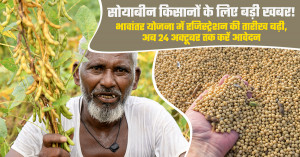
The Chief Minister said Madhya Pradesh has achieved a record wheat procurement this season. Procurement from over 1.346 million farmers, Purchase of 10.4 million metric tonnes of wheat, Payments made at ₹2,625 per quintal, Financial support for soybean growers through the Bhavantar Scheme.
FAQs:
1. What is the Madhya Pradesh Bhavantar Scheme?
The Madhya Pradesh Bhavantar Scheme compensates farmers for the difference between the MSP and the market price when crop prices fall below the MSP.
2. Are paddy farmers now covered under the Bhavantar Scheme?
Yes. The state government has extended the Madhya Pradesh Bhavantar Scheme to include paddy farmers.
3. How much bonus did millet farmers receive?
Eligible Kodo and Kutki growers received a bonus of ₹1,000 per quintal under the Rani Durgavati Millet Promotion Scheme.
4. What new benefits were announced for farmers?
The government announced ₹5 electricity connections, future daytime irrigation power, transparent fertiliser distribution, and continued MSP support through the Madhya Pradesh Bhavantar Scheme.
5. Why is crop diversification being promoted?
Due to possible El Niño conditions, farmers are encouraged to grow low-water crops like millets, maize, jowar, and bajra to improve climate resilience and ensure sustainable farm income.