India’s agricultural carbon market is beginning to reach the farm level, with more than 2,550 farmers in Punjab and Haryana receiving over ₹2.9 crore through digital soil-carbon payments. The initiative links verified regenerative farming practices with an additional income opportunity for farmers, bringing carbon markets closer to agricultural communities.
The payments are linked to the Aadi farmer carbon programme, launched by Grow Indigo in 2019 with technical guidance from ICAR. Between 2019 and 2022, participating farmers adopted a range of improved agricultural practices designed to reduce greenhouse-gas emissions and enhance soil-carbon levels. These included:
The environmental outcomes associated with these practices were measured and verified before agricultural carbon credits were generated.
The first round of payments covers 2,550 farmers from Punjab and Haryana, with a combined distribution of more than ₹2.9 crore. According to details associated with the programme, farmers receive payments based on their share of carbon credits generated from their participating agricultural land. Individual payments have reportedly ranged from around ₹3,000 to ₹15,000. The model creates a potential link between measurable environmental improvements on farms and an additional source of income for participating farmers.
The Aadi programme extends beyond Punjab and Haryana. It covers more than 2 million acres and over 100,000 farmers across seven states. Agricultural carbon credits under the programme have been issued using the Verra VM0042 methodology, which provides a framework for quantifying greenhouse-gas reductions and soil-carbon improvements associated with improved agricultural land-management practices.
Regenerative Agriculture Gets a Push:
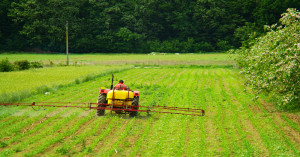
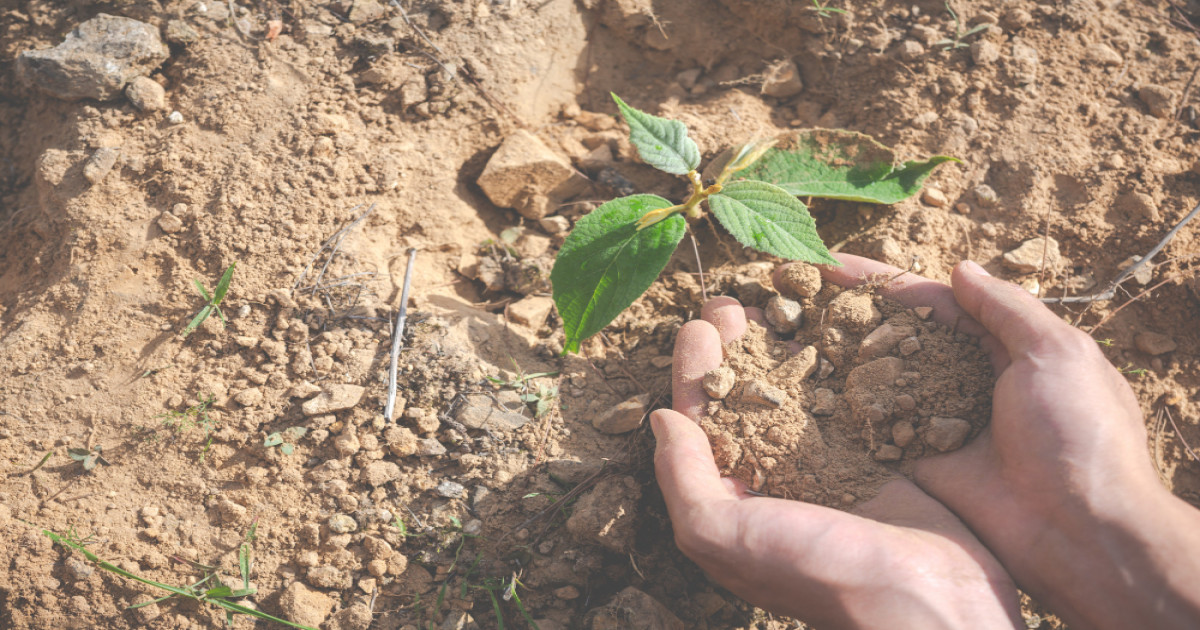
The initiative is part of a broader shift towards regenerative agriculture in Punjab and Haryana, with greater attention to practices such as crop-residue management, water conservation and soil-health improvement. The objective of regenerative farming goes beyond carbon reduction. Improved management practices can also contribute to more efficient resource use, better soil conditions and greater resilience to climate-related stresses. For farmers, the approach combines agricultural management with environmental outcomes that can potentially be measured and monetized through carbon-credit mechanisms.
DSR and Crop Residue Management Remain Key Practices:
Direct Seeded Rice (DSR) and improved crop-residue management are among the important practices promoted under regenerative farming systems. DSR can reduce water requirements compared with conventional rice transplanting under suitable conditions. Similarly, effective crop-residue management can reduce the need for burning agricultural residues, while helping farmers retain organic material in the field. These practices can have wider implications for soil health, water management and air-quality concerns, particularly in rice-growing regions.
What Do Carbon Credits Mean for Farmers?
The basic concept behind soil-carbon payments is relatively straightforward.
Farmers adopt verified agricultural practices that can reduce greenhouse-gas emissions or increase carbon stored in agricultural soils. The resulting environmental outcomes are measured using defined methodologies and, where requirements are met, converted into carbon credits. Under the programme's arrangements, participating farmers can receive a share of the revenue generated from these credits.
This means carbon markets can potentially create an additional income stream for farmers. However, the amount received can vary depending on the farming practices adopted, verified carbon outcomes, credit generation and the specific arrangements of the carbon programme.
From Soil Health to Farmer Income:
The delivery of soil-carbon payments to 2,550 farmers in Punjab and Haryana represents a growing connection between regenerative agriculture and carbon markets in India. The initiative highlights how practices such as soil-health improvement, water conservation, residue management and climate-friendly farming can potentially generate both environmental and economic value.
FAQs:
1. What is an agricultural carbon market?
An agricultural carbon market allows verified farming practices that reduce emissions or improve soil carbon to generate carbon credits that can create an additional income opportunity for farmers.
2. What are soil carbon payments for farmers?
Soil carbon payments are payments made to participating farmers based on verified environmental outcomes and their share of carbon credits generated through approved farming practices.
3. Which farming practices can generate carbon credits?
Practices such as Direct Seeded Rice (DSR), reduced tillage and crop residue management can contribute to measurable reductions in greenhouse-gas emissions or improvements in soil carbon.
4. How much did the farmers receive under the Aadi programme?
The first round of payments covered 2,550 farmers in Punjab and Haryana, with more than ₹2.9 crore distributed. Reported individual payments ranged from around ₹3,000 to ₹15,000.
5. Can carbon credits become an additional income source for farmers?
Yes, carbon credits can potentially provide an additional income stream when farmers adopt eligible practices and the resulting environmental benefits are measured, verified and converted into credits.