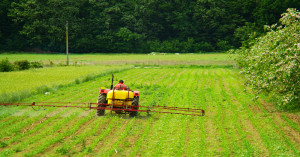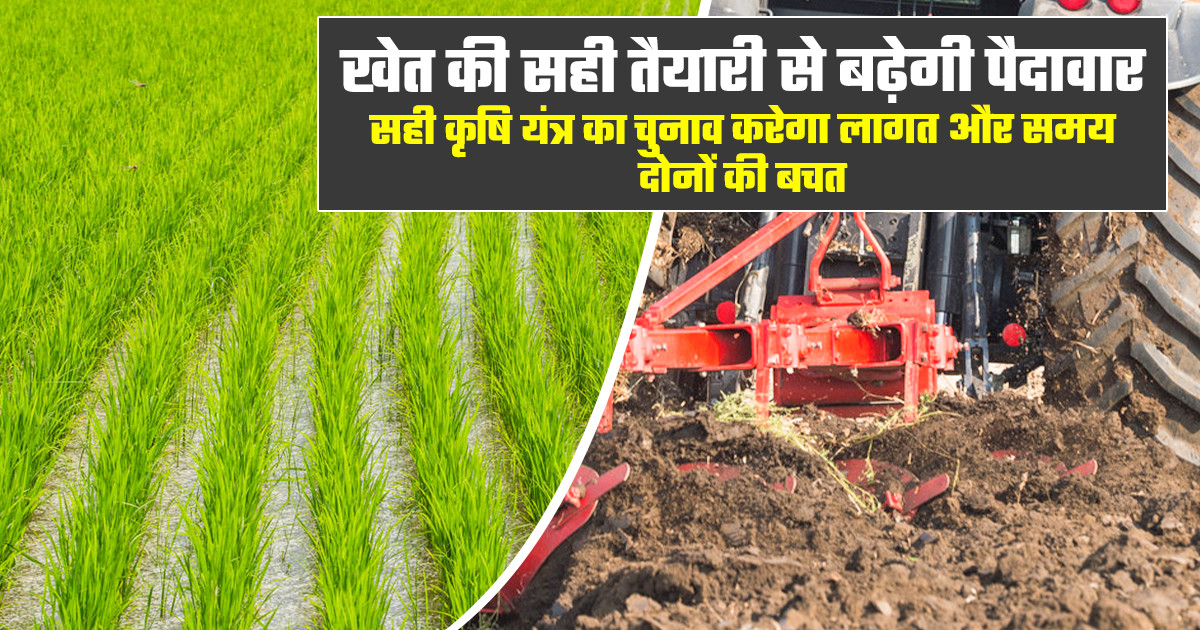
Proper land preparation is one of the most critical steps for achieving higher crop productivity. While quality seeds and balanced fertiliser application are essential, preparing a well-structured seedbed plays an equally important role in ensuring healthy crop establishment. Farmers commonly use cultivators, harrows and rotavators for tillage operations, but each implement serves a different purpose. Agricultural experts recommend selecting farm machinery based on soil condition, cropping pattern, tractor capacity and budget to maximise efficiency and reduce cultivation costs.
A cultivator is mainly used for primary tillage and breaking hard, compacted soil before sowing. Its tines penetrate deep into the soil, improving aeration, root development and water infiltration. It is also effective in uprooting weeds, making it an ideal choice for the first stage of field preparation.
Key Benefits of a Cultivator:
Estimated Price:
Depending on the number of tines, size and brand, cultivators generally cost between ₹25,000 and ₹80,000.
Harrow: Ideal for Levelling Fields and Preparing Seedbeds
After deep tillage, large soil clods often remain in the field. A harrow is designed to break these clods, level the land and create a finer soil structure for sowing. It also helps conserve soil moisture and provides a uniform seedbed, improving seed germination and crop establishment.
Key Benefits of a Harrow:
Estimated Price:
Key Benefits of a Rotavator:
Estimated Price: Rotavators are generally available in the price range of ₹80,000 to ₹2.5 lakh, depending on blade configuration, working width and brand.
Which Farm Implement Is Best for You?
Factors to Consider Before Buying Farm Machinery:
FAQs:
1. Which is better: a cultivator or a rotavator?
A cultivator is best for deep primary tillage, while a rotavator is ideal for quick and fine land preparation before sowing.
2. What is the main use of a harrow?
A harrow breaks soil clods, levels the field and prepares a smooth seedbed for better seed germination.
3. Can a rotavator replace a cultivator?
In many farming conditions, a rotavator can perform both cultivation and seedbed preparation, but extremely hard soil may still require a cultivator first.
4. Which crops commonly use a rotavator?
A rotavator is widely used for wheat, paddy, maize, soybean, mustard and vegetable cultivation.
5. Where can farmers find more agriculture machinery information?
Farmers can read the latest farming news, machinery guides and expert agricultural updates on Khetivyapar.