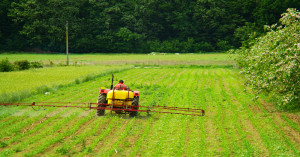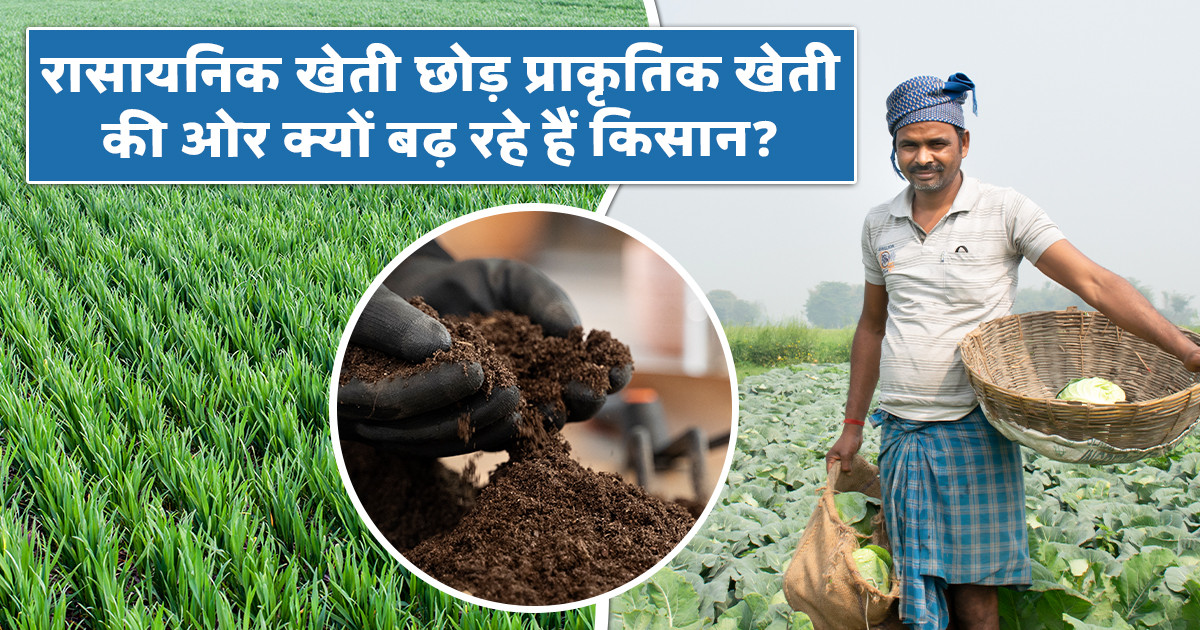
Farmers are increasingly shifting away from chemical-intensive agriculture and embracing natural farming practices. Even with limited resources, the use of home-prepared organic inputs is delivering safer, healthier, and higher-quality crop production. Encouraged by the positive results of natural farming, many farmers in the region are now distancing themselves from chemical fertilisers and pesticides and moving towards more sustainable agricultural methods. With the support of the Agriculture Department, farmer Kala Bai has emerged as a local “farm guru,” actively guiding and motivating other farmers to adopt natural farming practices.
Natural farming is not only environmentally friendly but has also proven to be an effective way for farmers to produce nutritious, high-quality crops at a much lower cost. This approach significantly reduces dependence on chemical fertilisers and pesticides, improves soil biological fertility, and supports water conservation. Farmers are adopting techniques such as Ghan Jeevamrit, Jeevamrit, Beejamrit, Neemashtra, vermicompost, mulching, and mixed cropping systems to make agriculture more resilient and sustainable. These practices have enhanced crop disease resistance and reduced overall cultivation costs by nearly 30 to 40 percent.
Farmers report that earlier, expenditure on chemical fertilisers and pesticides ranged between ₹8,000 and ₹10,000 per acre. By switching to home-prepared organic inputs like Ghan Jeevamrit and Neemashtra, this cost has now dropped to just ₹1,500 to ₹2,000 per acre. At the same time, crop yields have increased by 10 to 15 percent, along with noticeable improvements in produce quality. Inspired by these results, many neighbouring farmers are now seeking information and gradually adopting natural farming practices.
Biogas plants are emerging as a sustainable solution that provides both clean energy and high-quality organic manure. Under an Agriculture Department initiative, farmers in Fanwani village of Sihora tehsil in Jabalpur district are using slurry generated from biogas plants entirely as organic fertiliser. This slurry is rich in nitrogen, phosphorus, and potash, significantly improving soil fertility and largely eliminating the need for chemical fertilisers. Along with boosting farm productivity, biogas plants are also helping farmers meet their household energy needs in an eco-friendly manner.
(FAQs)
Q1. What is natural farming?
Natural farming is an eco-friendly agricultural method that avoids chemical fertilisers and pesticides, relying on organic and home-made inputs.
Q2. Which inputs are commonly used in natural farming?
Ghan Jeevamrit, Jeevamrit, Beejamrit, Neemashtra, vermicompost, mulching, and mixed cropping systems are widely used.
Q3. How much cost reduction is possible with natural farming?
Farmers can reduce input costs by 30–40% compared to chemical-based farming.
Q4. Does natural farming affect crop yield?
Yes, many farmers report a 10–15% increase in yield along with better quality produce.
Q5. How does Khetivyapar help farmers?
Khetivyapar provides farmers with reliable agricultural information, market updates, and guidance on sustainable and modern farming practices.