In a major step towards promoting sustainable agriculture, the Rajasthan government has launched the “Apno Khet–Apni Khaad” campaign to encourage farmers to become self-reliant in producing organic fertilizers. The initiative was announced by Agriculture and Horticulture Minister Kirodi Lal Meena and will run from April 6 to April 30, 2026, across the state. The campaign aims to reduce dependence on chemical fertilizers and promote eco-friendly farming practices.
The government is focusing on discouraging excessive use of chemical inputs such as urea and DAP, while motivating farmers to adopt natural and sustainable alternatives. With growing concerns over climate change and declining soil fertility, the initiative is being seen as both timely and necessary.
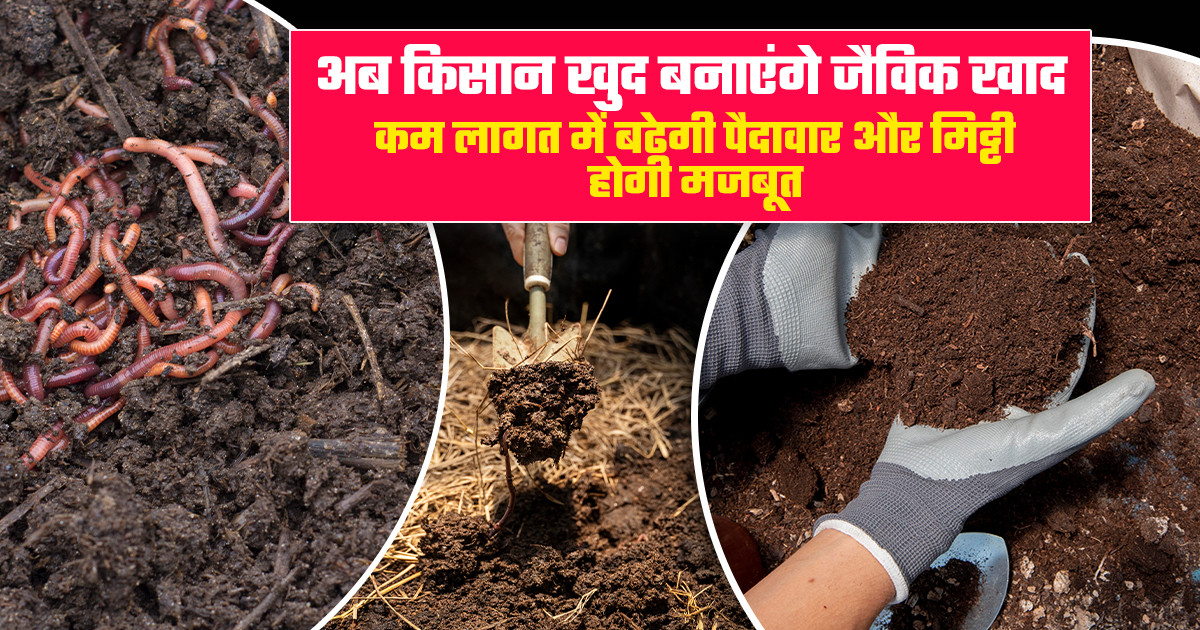
Under the campaign, farmers will be trained to prepare organic fertilizers and nutrients using locally available farm resources. This is expected to significantly reduce input costs while improving crop quality. Better-quality produce can also help farmers secure higher prices in the market.
The program emphasizes the use of compost, vermicompost, and green manure. Farmers will be encouraged to cultivate crops like dhaincha, guar, and cowpea as green manure to naturally enrich soil fertility. Awareness will also be raised about crop residue management and sustainable agricultural practices to maintain long-term soil productivity.
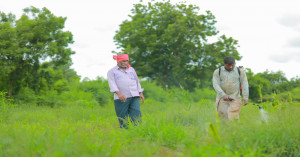
A key feature of the campaign is hands-on training through live demonstrations in the fields. Farmers will learn techniques to prepare inputs such as Jeevamrit, Beejamrit, Ghanjeevamrit, Panchgavya, and vermicompost. In addition, they will be guided on the balanced use of fertilizers and alternatives to DAP, including SSP, NPK, and TSP, ensuring better nutrient management.
Reaching Every Village:
The government plans to turn this initiative into a mass movement by organizing activities at the gram panchayat level. Farmer meetings, night gatherings, and awareness drives will be conducted to spread knowledge. Experts from the Indian Council of Agricultural Research, Krishi Vigyan Kendras (KVKs), and agricultural universities will directly engage with farmers and provide scientific guidance.
Focus on Women’s Participation:
Special emphasis has been placed on involving women in the campaign. Programs like “Namo Drone Didi,” along with women self-help groups and agri-volunteers, will play an active role, creating opportunities for rural women to become economically independent.
Soil Health Cards and Monitoring:
Farmers will receive guidance based on their Soil Health Cards to ensure precise and efficient fertilizer use. Information on bio-fertilizers such as Rhizobium and PSB will also be shared. To ensure transparency and effectiveness, monitoring committees have been formed at district, block, and village levels.
A Step towards Sustainable Agriculture:
Experts believe the “Apno Khet–Apni Khaad” campaign will not only reduce farming costs but also contribute to environmental conservation. By promoting chemical-free and sustainable practices, the initiative has the potential to transform agriculture in the state for the long term.
FAQs:
1. What is Apno Khet Apni Khaad campaign?
It is a Rajasthan government initiative to promote organic farming and reduce chemical fertilizer use.
2. What is the main objective of the campaign?
To make farmers self-reliant in producing organic fertilizers and improve soil health.
3. Which fertilizers are being discouraged?
Chemical fertilizers like urea and DAP are being discouraged.
4. What training will farmers receive?
Farmers will learn to prepare Jeevamrit, vermicompost, and other organic inputs.
5. How will farmers benefit from this campaign?
They will reduce costs, improve crop quality, and get better market prices.