Madhya Pradesh farmers have two important updates ahead of the ongoing Kharif season. Registration to sell paddy, sorghum and pearl millet under the Minimum Support Price (MSP) procurement programme will begin on September 15, while soybean growers in Sehore have been advised to closely monitor their crops for fungal diseases amid favourable conditions for disease development. Farmers should take timely action on both MSP registration and crop protection to safeguard their produce and avoid missing important deadlines.
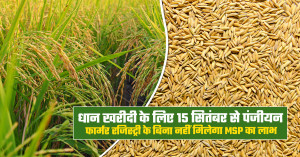
For the Kharif Marketing Season 2026-27, farmer registration for procurement of paddy, sorghum and pearl millet at MSP will be conducted from September 15 to October 10, 2026. Farmers growing these crops are advised to complete their registration within the stipulated period so they can access the MSP procurement system when their produce is ready for sale.
To address issues related to registration, procurement and payments, a district-level control room has also been established. The arrangement is intended to help farmers get their complaints and applications routed to the concerned officials for timely resolution.
The control room will record complaints and applications received from farmers and forward them to the relevant departments and officials for necessary action. Instructions have also been issued to ensure that information related to rainfall, weather conditions and natural disasters is promptly communicated to the concerned departments and procurement centres. This could help authorities respond more quickly to disruptions caused by adverse weather during the procurement period.
Soybean Farmers Advised to Monitor Crops:
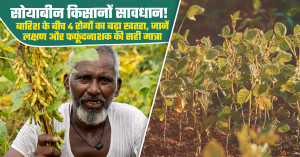
Soybean crops in Sehore are currently at the pod formation and reproductive stage, making regular field monitoring particularly important. Frequent rainfall, high humidity and warm conditions can create a favourable environment for several fungal diseases. Agricultural experts have advised farmers to inspect their fields regularly and take appropriate crop-protection measures if disease symptoms appear. Farmers should avoid unnecessary spraying and use fungicides only according to recommendations from agricultural experts, approved labels and prescribed doses.
Watch Out for Charcoal Rot:
Charcoal rot can cause soybean leaves to become small and yellow, followed by browning of affected plants. Farmers should regularly inspect plants for early symptoms and seek expert advice if infection is suspected. Timely identification is important because disease management becomes more difficult once the infection becomes widespread.
Keep an Eye on Collar Rot and Stem Rot:
Warm and humid conditions can also favour diseases associated with collar and stem rot. Infected plants may show rotting near the lower portion of the stem, wilting and eventual drying or collapse. Farmers noticing such symptoms should consult local agricultural experts before selecting and applying a fungicide.
Continuous Rainfall Can Increase Pod Blight Risk:
Pod blight can become more problematic under prolonged rainfall and excessive moisture. The disease can be associated with fungal infection and may involve both seed- and soil-related sources. Farmers should pay particular attention to pods and stems and look for unusual spots or signs of infection. Where disease symptoms are confirmed, recommended fungicides such as approved tebuconazole-based products may be used strictly according to the prescribed application rate and expert guidance.
Monitor for Rhizoctonia Aerial Blight
Warm and humid weather can also increase the risk of Rhizoctonia aerial blight. One of the commonly observed symptoms is the appearance of brown to reddish-brown oval spots on the lower surface of leaves. Farmers should inspect affected plants carefully and seek technical advice before applying any crop-protection product. Fungicides should be used only at the recommended dose and in accordance with the product label and agricultural advisory.
Two Key Actions for Farmers
For Kharif farmers in Madhya Pradesh, timely action is important on both fronts. Paddy, sorghum and pearl millet growers should complete MSP registration between September 15 and October 10, 2026. At the same time, soybean growers—particularly in areas experiencing frequent rainfall and high humidity—should regularly monitor their fields for early signs of fungal diseases.
FAQs:
1. When will MSP registration begin for Paddy, Jowar and Bajra in Madhya Pradesh?
For the Kharif Marketing Year 2026-27, farmer registration for the sale of Paddy, Jowar and Bajra under the MSP procurement system will begin on September 15, 2026.
2. What is the last date for MSP registration?
The last date for MSP registration for Paddy, Jowar and Bajra is October 10, 2026. Farmers are advised to complete their registration within the prescribed period.
3. Which crops are covered under MSP registration?
Madhya Pradesh, farmer registration for procurement at the Minimum Support Price (MSP) will be conducted for Paddy, Jowar and Bajra for the Kharif Marketing Year 2026-27.