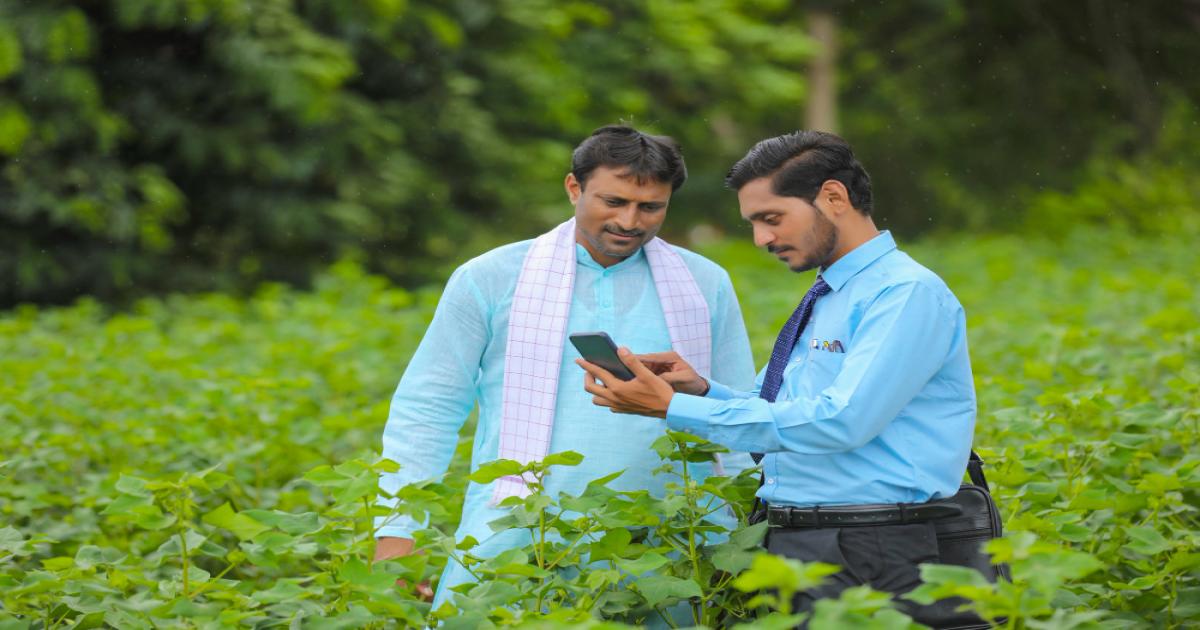
The Madhya Pradesh government has announced its commitment to developing the state into a major center for food processing and organic farming. The area under irrigation has now expanded to nearly 55 lakh hectares, and a plan to distribute 32 lakh solar pumps has been launched to reduce farmers' dependence on electricity bills. The state’s agricultural productivity is already notable, and efforts are underway to lead in the food processing sector.
Chief Minister Shri Mohan Yadav stated that the government aims to increase the current 5% food processing capacity to 95%. Farmers are being integrated into the processing value chain, and a large-scale potato chips manufacturing unit is being established. Farmer Producer Organizations (FPOs) are playing an active role not only in food processing but also in warehousing and logistics.
To promote employment in these sectors, the government will provide monthly subsidies of ₹6,000 to employed women and ₹5,000 to men for up to 10 years.
Madhya Pradesh is gaining global recognition for its organic cotton, especially amid growing concerns around chemical-based farming. Countries like China and Vietnam are exporting cotton under the brand name "Madhya Pradesh Cotton." Though the acreage under cotton cultivation may have decreased, the state continues to lead in quality and organic production.
The government, in collaboration with organizations like the Bharatiya Kisan Sangh and Malavm Federation, is actively working to make farmers self-reliant. The Minimum Support Price (MSP) for wheat has been fixed at ₹2,600 per quintal, and tax on tur dal has been abolished. Provisions are being made for MSP-based procurement of millets such as kodo and kutki.
The state aims to increase its contribution to milk production from the current 9% to 20%. Under the Dr. B.R. Ambedkar Kamdhenu Scheme, subsidized dairy animals (cows and buffaloes) are being provided to farmers. Additionally, efforts are being made to expand milk processing and value-added dairy products.
Sufficient Fertilizer Availability in the State:
Agriculture Minister Shri Aidal Singh Kansana assured that ample fertilizer stock is available:
14 lakh metric tonnes of urea and 12 lakh metric tonnes of DAP have been arranged.
10 lakh metric tonnes of urea have already been distributed to farmers.
The state is witnessing adequate rainfall, and compensation will be provided to farmers affected by floods or crop damage.
Continuous Training for FPOs is Crucial:
Shri Dinesh Kulkarni, National Organizing Secretary of Bharatiya Kisan Sangh, emphasized the importance of training FPOs in crop marketing and product commercialization. He highlighted the role of Mahi Federation at the national level and state-level federations in six states, including Malavm Federation in Madhya Pradesh, which is dedicated to empowering farmers by following the ideals of Lord Balarama, the deity of agriculture.
Read More- Natural Farming, FPOs & Soil Cards Are Changing Indian Agriculture