Maharashtra’s vegetable growers could soon have access to improved varieties and hybrid seeds designed for water-scarce conditions, rising temperatures and changing weather patterns. The Indian Institute of Vegetable Research (IIVR), Varanasi, and Maharashtra State Seeds Corporation Ltd. (Mahabeej) are exploring closer collaboration to take climate-resilient vegetable technologies from research laboratories to farmers. The initiative could be particularly relevant for drought-prone regions such as Vidarbha, where water availability and weather uncertainty remain major challenges.
IIVR has developed more than 60 improved vegetable varieties suited to different agro-climatic conditions across India, according to the institute’s officials. The research focus is now expanding beyond yield improvement to include nutritional security, safer production and reduced dependence on chemical inputs. The institute is also exploring advanced technologies, including genome editing, to develop improved varieties with desirable traits.
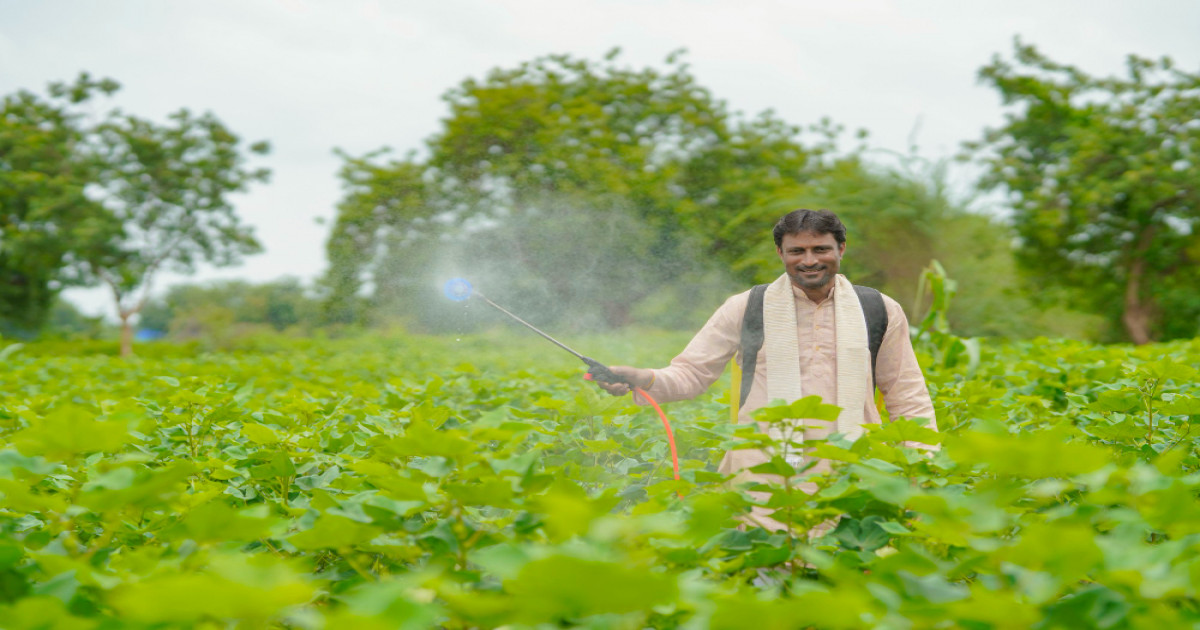
Farmers across Maharashtra cultivate vegetables such as tomato, chilli, brinjal, onion and leafy vegetables on a large scale. Several of these crops also have strong market and export potential. However, rising input costs and excessive dependence on pesticides and chemical fertilisers are creating challenges for farmers. Concerns over chemical residues can also affect produce quality and market access, while intensive input use may put additional pressure on soil and water resources.
Increasing temperatures, irregular rainfall and prolonged dry spells are making vegetable cultivation more challenging in several parts of Maharashtra. This is increasing demand for varieties that can tolerate heat, perform well with limited irrigation and withstand major diseases. Such traits could be especially valuable in drought-prone areas of Vidarbha, where farmers face greater water and climate-related risks. Mahabeej, a key government seed organisation in Maharashtra, is associated with seed production and distribution involving more than 40,000 farmers. The organisation has expressed interest in varieties that can perform effectively under the state’s diverse growing conditions.
The proposed collaboration aims to make climate-resilient, nutrient-rich and low-chemical vegetable varieties available to Maharashtra farmers through Mahabeej’s seed network. The broader objective is not simply to develop new varieties, but to ensure that proven agricultural research reaches farmers in a practical and accessible form. For vegetable growers, improved seed technology could help reduce production risks while making better use of scarce water resources.
A Step towards Safer and More Sustainable Vegetable Farming:
The IIVR-Mahabeej initiative comes at a time when Maharashtra’s vegetable sector is facing a combination of climate stress, water scarcity, rising cultivation costs and growing demand for safer produce. If successfully scaled, climate-resilient vegetable varieties could give farmers more suitable options for changing growing conditions particularly in water-stressed regions. The real impact, however, will depend on field-level testing, local suitability, seed availability and effective extension support to help farmers adopt the new technologies.
FAQs:
1. What are climate-resilient vegetable varieties?
Climate-resilient vegetable varieties are improved varieties developed to perform better under challenges such as heat, irregular rainfall, water scarcity and certain diseases.
2. Which farmers could benefit from low-water vegetable varieties in Maharashtra?
Farmers in water-stressed and drought-prone areas, including parts of Vidarbha, could particularly benefit from low-water vegetable varieties.
3. What is the role of IIVR in developing vegetable varieties?
IIVR conducts research on vegetable crops and has developed more than 60 improved varieties suited to different agro-climatic conditions.
4. How can Mahabeej help Maharashtra farmers?
Mahabeej can support the production and distribution of improved and climate-resilient vegetable seeds through its seed network across Maharashtra.
5. Can climate-resilient vegetable varieties reduce farming risks?
They could help reduce risks associated with heat, limited irrigation and changing weather, but actual performance depends on the variety, local conditions, farm management and field-level testing.