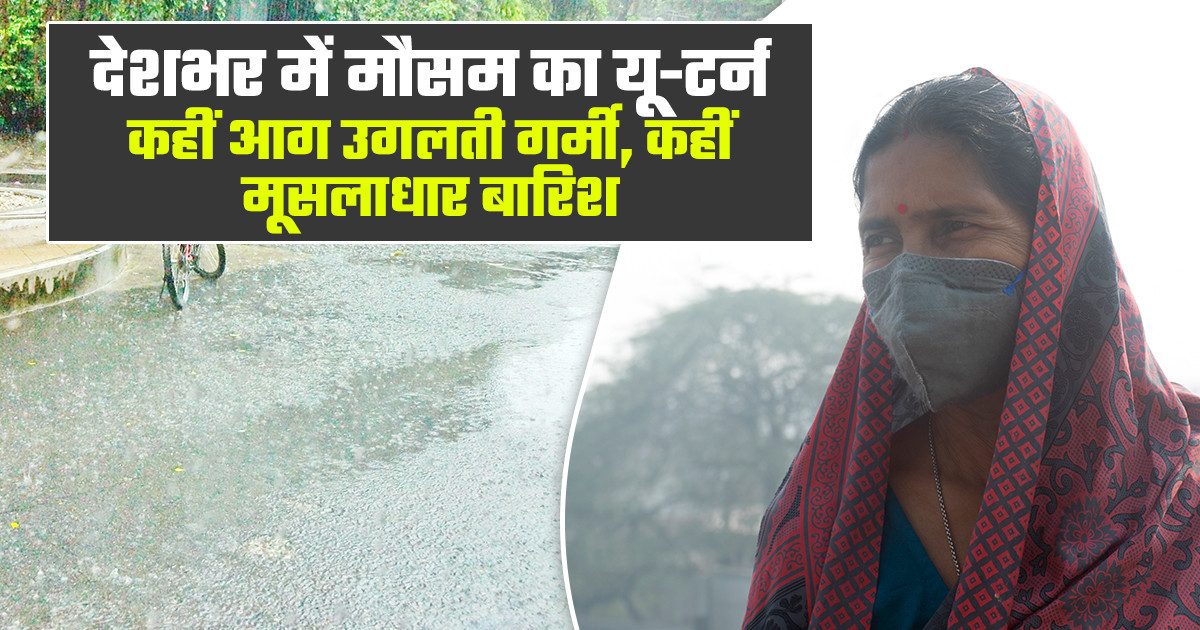
A dramatic change in weather conditions has unfolded across northern India, bringing strong winds, dust storms, thunderstorms, and rainfall to several regions, including Delhi-NCR, Punjab, Haryana, Uttar Pradesh, and Bihar. The changing weather pattern has provided much-needed relief from intense heat and humidity, but it has also increased the risk of severe weather-related incidents. The India Meteorological Department (IMD) has urged residents to remain alert as conditions may remain unstable over the coming days.
Meteorologists attribute the sudden change to an active cyclonic circulation system over central Pakistan and adjoining regions. This weather system is creating significant atmospheric instability across northwestern India. As warm and unstable air masses interact with moisture-laden winds over the plains, they generate powerful thunderclouds capable of producing strong winds, lightning, and heavy showers.
Considering the intensity of the weather activity, IMD has issued a Red Alert for Delhi-NCR. Such an alert indicates the possibility of severe weather conditions that may disrupt normal life and pose safety risks. Authorities have advised people to stay indoors during thunderstorms, avoid open areas, and remain cautious of lightning strikes, falling trees, and temporary infrastructure damage caused by strong winds.
The recent spell of rain and gusty winds has brought significant relief from the oppressive heat and humidity that had affected the region over the past several days. Temperatures have dropped noticeably, improving overall comfort levels and reducing heat stress in many urban centers. However, weather experts caution that temporary relief from heat should not overshadow the risks associated with severe thunderstorms.
Heavy Rain and Strong Winds Forecast in Multiple States:
The weather department has warned of thunderstorms and rainfall across 14 states, including Delhi weather, Uttar Pradesh, and Bihar. Some parts of eastern Uttar Pradesh could experience wind speeds of 70–80 km/h, increasing the likelihood of localized damage. Meanwhile, hilly regions are facing an elevated risk of landslides, road blockages, and travel disruptions due to persistent rainfall.
Multiple Weather Systems Active across Northern and Central India:
According to IMD, cyclonic circulations and associated weather systems are also influencing parts of Punjab, Haryana, western Uttar Pradesh, Madhya Pradesh, Jharkhand, northern Chhattisgarh, and sub-Himalayan West Bengal. The interaction of these systems is expected to keep weather conditions unsettled across large parts of northern and central India, with intermittent rainfall, thunderstorms, and cooler temperatures likely to continue.
Critical Days Ahead for Residents and Farmers:
Weather experts believe the next few days will be crucial as atmospheric conditions remain favorable for thunderstorm activity. While the threat of extreme heat has eased for now, the possibility of strong winds, lightning, and heavy rain remains significant. Farmers, travelers, and people working outdoors are advised to closely monitor official weather updates and take necessary precautions to minimize weather-related risks.
FAQs:
1. Why has the weather changed suddenly in North India?
The sudden change is due to an active cyclonic circulation over central Pakistan and adjoining areas, which is creating atmospheric instability.
2. Which states are under weather alert?
Delhi-NCR, Uttar Pradesh, Bihar, Punjab, Haryana, Madhya Pradesh, Jharkhand, Chhattisgarh, and several other states are under weather monitoring.
3. What does the IMD Red Alert mean?
A Red Alert indicates the possibility of severe weather conditions that could disrupt normal life and pose safety risks.
4. How fast can the winds become?
Some areas of eastern Uttar Pradesh may experience wind speeds of up to 70–80 km/h during thunderstorms.
5. What precautions should farmers take?
Farmers should secure harvested crops, avoid fieldwork during lightning activity, and regularly check official weather forecasts for updates.