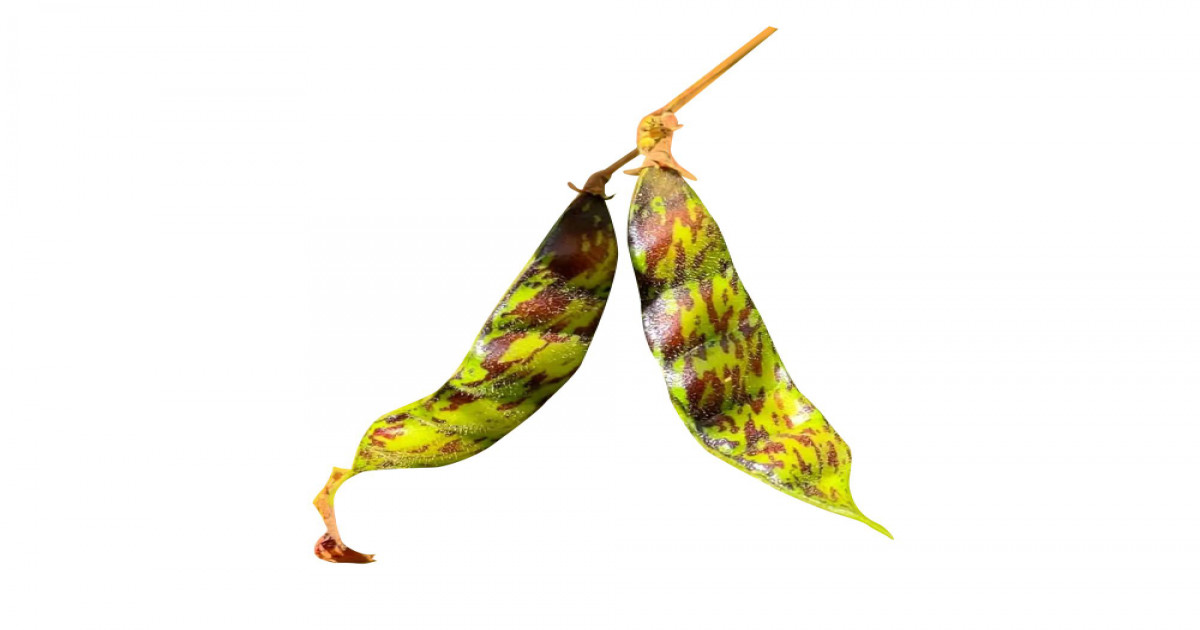
India has achieved a major milestone in agricultural biotechnology with the Indian Council of Agricultural Research (ICAR) developing the country's first fully annotated Telomere-to-Telomere (T2T) reference genome for the pigeonpea (Arhar/Tur) variety 'Asha'. Recognized as the global reference genome for pigeonpea, this scientific breakthrough is expected to significantly accelerate the development of high-yielding, climate-resilient, disease-resistant, and nutritionally superior pigeonpea varieties.
Pigeonpea is one of India's most important pulse crops and a major source of dietary protein. It plays a vital role in ensuring the country's food and nutritional security. The latest breakthrough is the result of years of research by ICAR–National Institute for Plant Biotechnology (ICAR-NIPB), New Delhi. The institute created the world's first draft genome of a pulse crop—pigeonpea variety 'Asha'—in 2011, making it the first crop genome to be completely sequenced in India. An improved genome assembly followed in 2017, and the latest Telomere-to-Telomere (T2T) genome now provides the most comprehensive genetic blueprint of the crop to date.
The newly developed genome contains approximately 752.65 million DNA base pairs, assembled into 92 contigs, providing a complete representation of all 11 pigeonpea chromosomes, including 11 centromeres and 22 telomeres. The genome assembly, designated NIPB_CcT2T_4, has been deposited in the global NCBI database and was officially released on 20 April 2026, making it an important genomic resource for researchers worldwide.
Researchers identified 36,557 genes, generating 48,008 messenger RNA (mRNA) coding sequences. Transcriptome (RNA) mapping achieved over 99.9% read alignment, confirming the exceptional accuracy and completeness of the genome assembly. The comprehensive annotation is expected to support advanced genetic studies, gene discovery, molecular breeding, and genome-editing technologies aimed at improving pigeonpea productivity and resilience.
The breakthrough is expected to complement the Government of India's Mission for Aatmanirbharta in Pulses (2025-26 to 2030-31), which aims to increase domestic pulse production, reduce import dependence, and improve farmers' incomes. Under the mission, the government is promoting improved seed systems, wider adoption of modern production technologies, and expansion of pulse cultivation, assured procurement, and stronger post-harvest infrastructure. The target is to raise India's pulse production to around 35 million tonnes by 2030-31.
Long-Term Benefits for Farmers and Agricultural Research:
Agricultural experts believe the new T2T reference genome will substantially shorten the breeding cycle for improved pigeonpea varieties while enabling scientists to identify genes associated with higher yield, nutritional quality, disease resistance, and climate adaptability. The breakthrough is expected to strengthen India's pulse improvement programme, enhance research and innovation, support sustainable agriculture, improve farmer incomes, and contribute to the country's long-term food and nutritional security.
FAQs:
1. What is the pigeonpea T2T genome developed by ICAR?
The pigeonpea T2T genome is the first fully annotated Telomere-to-Telomere reference genome developed for the pigeonpea variety ‘Asha’ by ICAR-NIPB.
2. Why is the pigeonpea genome important for farmers?
The genome will help scientists develop high-yielding, disease-resistant, and climate-resilient pigeonpea varieties, which can improve farmers’ productivity and income.
3. How many genes were identified in the pigeonpea T2T genome?
Researchers identified 36,557 genes along with 48,008 mRNA coding sequences in the newly developed genome.
4. Which pigeonpea variety has India’s first T2T reference genome?
India’s first pigeonpea T2T reference genome has been developed from the ‘Asha’ variety of pigeonpea.
5. How will this research support India’s pulse production target?
The ICAR pigeonpea genome research will support improved seed development, modern breeding programmes, and India’s goal of increasing pulse production to around 35 million tonnes by 2030-31.