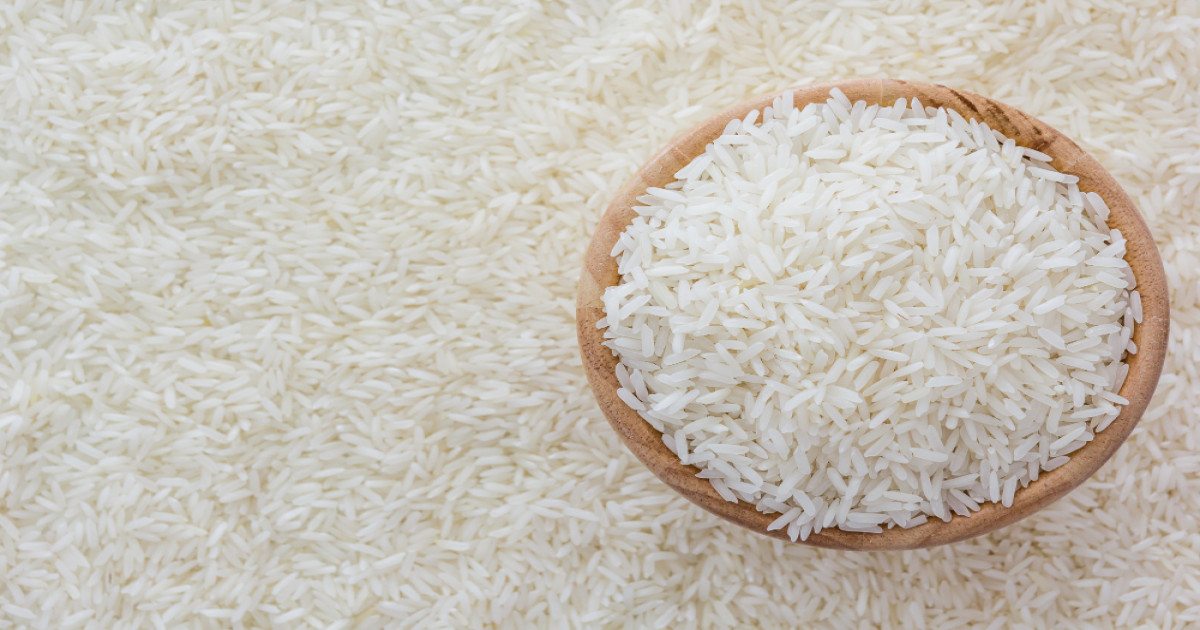
Public Distribution System (PDS), the Central Government has approved new quality standards for rice supplied under the Pradhan Mantri Garib Kalyan Anna Yojana (PMGKAY) and other welfare schemes. The decision, cleared by the Cabinet Committee on Economic Affairs (CCEA), aims to provide millions of ration card holders with cleaner and better-quality rice by substantially reducing the proportion of broken grains. Additionally, broken rice generated during milling will be diverted for ethanol production and other industrial uses, ensuring better utilization of food resources.
The revised standards, the maximum permissible broken grain content in raw rice will be reduced from 25% to 10%. For parboiled rice, the limit will be lowered from 16% to just 5%. The government will implement the new norms in phases, with all procuring states expected to adopt the revised standards by the Kharif Marketing Season (KMS) 2027–28. Officials have clarified that there will be no reduction in the quantity of rice distributed to eligible beneficiaries. According to the Ministry of Consumer Affairs, Food and Public Distribution, this is the first major revision to PDS rice quality standards in nearly three decades.
Instead of being treated as waste, 100% of the broken rice separated during milling will now be utilized for ethanol production and other industrial applications. The government believes this initiative will improve resource efficiency, support India's biofuel programme, generate additional revenue, and strengthen sustainable food grain management by ensuring minimal wastage.
The Food Ministry estimates that the new system will significantly reduce expenses related to transportation, storage, and packaging. Under the revised mechanism:
QR Codes to Enable End-to-End Digital Tracking:
To improve transparency and accountability, every bag of rice distributed through the PDS will carry a QR code. The QR-based system will enable digital tracking across the entire supply chain from procurement and storage to transportation and final distribution. The initiative is expected to strengthen inventory management, improve traceability, and reduce irregularities within the public distribution system.
Pilot Project Successfully Completed in Six States:
Before approving nationwide implementation, the government successfully tested the new quality standards through pilot projects in Haryana, Punjab, Andhra Pradesh, Odisha, Telangana, and Chhattisgarh. The successful segregation of broken rice and supply of improved-quality rice in these states paved the way for the nationwide rollout of the revised standards.
Food Minister Calls It a Landmark Reform:
Union Food Minister Pralhad Joshi described the decision as a major step towards strengthening India's food security system. He said beneficiaries under the Pradhan Mantri Garib Kalyan Anna Yojana will continue to receive their full entitlement of free food grains, but with significantly improved rice quality. According to the minister, the reforms will enhance food quality, promote transparency, optimize resource utilization, reduce operational costs, and modernize the country's food grain management system.
FAQs:
1. What are the new PDS Rice Quality Standards?
The government has reduced the permissible broken rice content to 10% for raw rice and 5% for parboiled rice supplied through PDS.
2. Will ration card holders receive less rice?
No. Beneficiaries will continue to receive their full entitlement of free rice under PMGKAY and other welfare schemes.
3. What will happen to the broken rice?
The separated broken rice will be used for ethanol production and other industrial purposes instead of being wasted.
4. How will QR codes help the Public Distribution System?
QR codes will enable end-to-end digital tracking of rice bags, improving transparency and reducing irregularities.
5. When will the new PDS Rice Quality Standards be implemented?
The revised standards will be introduced in phases, with full implementation expected by the Kharif Marketing Season (KMS) 2027–28.