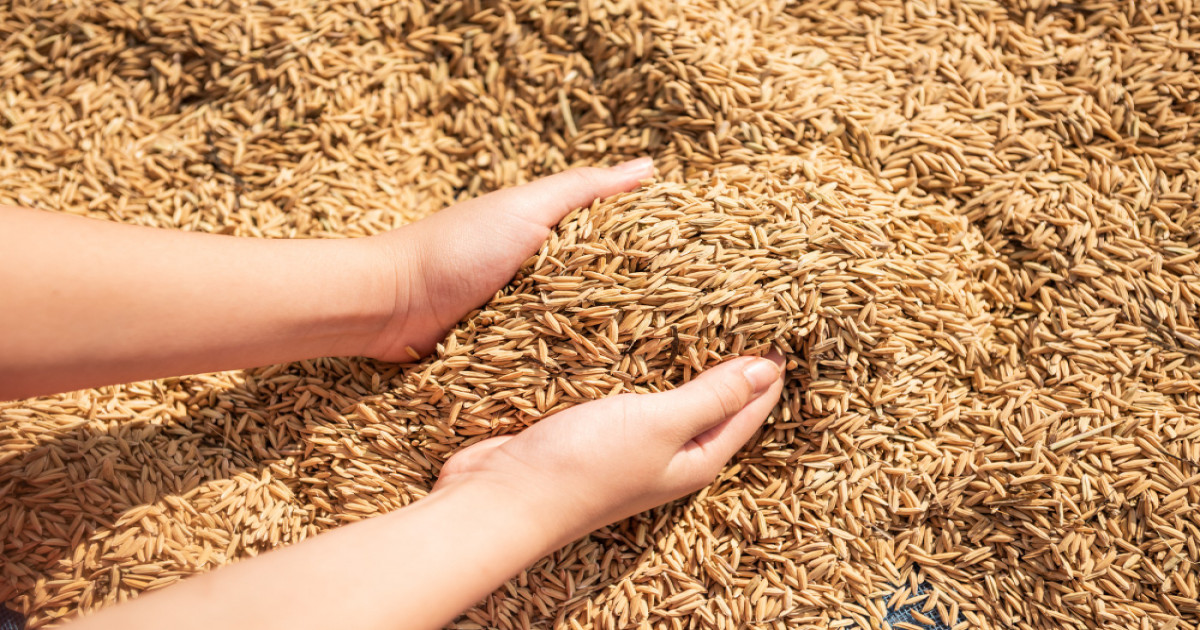
In a landmark initiative for paddy-growing farmers, India’s second Basmati Seed Production and Training Centre will be set up in Pilibhit district of Uttar Pradesh. The centre is being developed by the Agricultural and Processed Food Products Export Development Authority (APEDA) under the Ministry of Commerce, Government of India. Alongside this, an organic farming demonstration farm will also be established at the site.
The project is envisioned as a comprehensive hub for Basmati rice research, seed production, farmer training, and organic farming demonstrations, strengthening the entire value chain from farm to export.
This significant project has been made possible due to the sustained efforts and proactive initiative of Pilibhit MP and Union Minister of State for Information Technology, Jitin Prasada. With the support of Union Minister for Commerce and Industry Piyush Goyal, APEDA has approved the establishment of the centre on nearly seven acres of agricultural land in Village Tanda Bijaisi, Amaria tehsil, Pilibhit district.
At the state level, approval for land allocation has been granted by Uttar Pradesh’s Minister for Agriculture, Agricultural Education and Agricultural Research, Surya Pratap Shahi. Following these approvals, construction work for infrastructure, research units, training facilities, seed production units, and the organic demonstration farm is expected to begin soon.
The centre is set to become a milestone for farmers, seed producers, exporters, processors, and Farmer Producer Organisations (FPOs) from Pilibhit and surrounding Basmati-growing regions. Scientific support will be provided to produce high-quality Basmati seeds, quality improvement, certification, traceability, and residue management standards. This will help align Basmati production with international market requirements and give a structured boost to exports.
Through this centre, farmers will receive hands-on training in improved Basmati varieties, modern cultivation practices, pest and disease management, organic farming methods, seed production techniques, and quality standards. Availability of pure and certified seeds is expected to reduce production costs, improve crop quality, and enable farmers to secure premium prices for their Basmati produce.
For Basmati exporters and agri-entrepreneurs, the centre will serve as a key source of technical knowledge on international standards, global market demand, export procedures, residue testing, and DNA-based authenticity testing. The proposed facility will house world-class laboratories, seed processing units, and modern training infrastructure, giving Pilibhit a distinct identity on the national and global Basmati export map.
Boost to Employment and Agri-Business:
The establishment of the centre will generate direct and indirect employment opportunities in the region. It will encourage youth participation in agri-business, entrepreneurship, and agriculture-based industries. Pilibhit’s reputation as a major hub for Basmati production and exports is expected to strengthen further, with benefits extending to farmers in neighbouring districts and parts of Uttarakhand as well.
A Historic Achievement for Pilibhit:
Local farmers, FPO representatives, and stakeholders associated with Basmati cultivation have described the project as a historic gift for Pilibhit and expressed gratitude to Union Minister Jitin Prasada for his efforts. It is widely expected that the launch of this centre will enhance scientific interventions in Basmati farming and take the region’s agriculture-based economy to new heights.