Amid rapidly changing climate conditions, rising input costs, and shrinking natural resources, Indian agriculture is moving beyond traditional practices toward digital, technology-driven, and sustainable solutions. Innovations such as artificial intelligence, drones, carbon farming, soilless cultivation, digital marketplaces, biostimulants, and smart fertilizers are transforming farming into a more precise, profitable, and environmentally responsible activity. These technologies not only reduce crop losses but also significantly improve productivity, quality, and farmers’ incomes. Presented below are seven smart agricultural solutions that have the potential to redefine the future of farming.
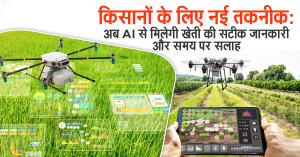
AI-based crop monitoring uses data collected from satellite imagery, drones, mobile cameras, and on-field smart sensors to analyze crop health. This technology enables early detection of crop diseases, pest infestations, nutrient deficiencies, water stress, and weather-related risks. Farmers receive accurate, field-specific recommendations through mobile applications, allowing timely irrigation, fertilizer application, and pest control. As a result, unnecessary input costs are reduced, crop losses decline by 20–40 percent, and overall yield, quality, and farm income improve significantly.
Seven Key Benefits of AI-Driven Crop Monitoring:
Drones equipped with multispectral and hyperspectral sensors capture high-resolution images of crops, enabling rapid identification of potential problems. Satellites monitor large areas to provide insights into soil moisture, vegetation indices, and plant stress indicators. Pattern analysis of this data helps identify early signs of disease or pest outbreaks.
Soil carbon farming is a sustainable agricultural practice that enhances carbon storage in soil through methods such as cover cropping, crop residue management, organic manure application, green manuring, and reduced tillage. These practices improve soil fertility, water-holding capacity, and crop productivity. In addition, farmers can earn extra income through carbon credit markets, partnerships with private companies, and government incentive programs.
During photosynthesis, plants absorb CO₂ from the atmosphere. This carbon enters the soil through plant roots, residues, and decomposing organic matter. Soil microorganisms break it down and convert it into stable organic compounds known as Soil Organic Carbon (SOC).
Key Government Initiatives in India:
Drone spraying technology makes agricultural spraying faster, more precise, and safer. Drones ensure uniform and controlled application of pesticides, fertilizers, and micronutrients, significantly reducing chemical wastage. Compared to conventional methods, drone spraying is 80–90 percent more efficient and saves considerable time and labor. Government-supported drone spraying programs are helping farmers achieve better results at lower costs, completing hours of work in just minutes.
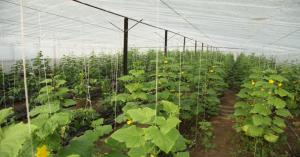
Hydroponics and soilless farming are rapidly gaining popularity in urban India. These techniques grow crops without soil, using nutrient-rich water instead. Their major advantages include higher yields with less space, reduced water use, and a controlled growing environment. Easily adaptable to rooftops, warehouses, and vertical farms, this method offers profitable business opportunities for urban youth, startups, and small entrepreneurs. In India, hydroponic farming is growing at an annual rate of around 25 percent.
Five Popular Hydroponic Systems:
The simplest system, where roots remain submerged in nutrient-rich water.
Cost: Starting from ₹5,000 | Best crops: Spinach, lettuce, herbs
A thin stream of nutrient solution flows through pipes, ideal for commercial farming.
A DIY home-based system using cocopeat or rockwool.
Provides better oxygen to roots with lower electricity consumption.
Nutrient solution is sprayed directly onto roots, offering up to 40 percent faster growth. Advanced systems use AI-based mist control.
Digital marketplaces are proving to be powerful tools for increasing farmers’ incomes. These online platforms directly connect farmers with buyers and consumers, reducing the role of intermediaries and ensuring fair prices. Farmers can sell their produce not only in domestic markets but also internationally, helping stabilize demand and prices. Studies show that farmers using digital marketplaces have experienced income growth ranging from 10 to 25 percent.
Key Benefits for Farmers:
Government Initiatives Promoting Digital Agriculture:
Biostimulants are natural or biologically derived substances that enhance plant growth, crop quality, and tolerance to environmental stress. They are applied through foliar spray, root application, or seed treatment, helping improve nutrient uptake, colour, taste, and overall yield.
How Do Biostimulants Work?
Biostimulants function mainly in two ways—by activating internal biological processes in plants and by strengthening soil biology. They help to:
Benefits of Biostimulants in Agriculture:
The use of biostimulants improves overall crop quality while reducing dependency on chemical fertilisers. Plants utilise nutrients more efficiently, resulting in better size, colour, and shelf life. This approach supports sustainable agriculture by lowering reliance on synthetic inputs and improving soil health.
7. Smart Fertilisers: Saving Nutrients and Enhancing Productivity:
Smart fertilisers are technology-driven fertilisers designed to supply nutrients according to crop demand. They use controlled or slow-release mechanisms, reducing nutrient losses of nitrogen, phosphorus, and potassium by 30–50 percent. This helps maintain soil fertility and improves crop growth, quality, and yield.
How Do Smart Fertilisers Work?
Unlike conventional fertilisers, smart fertilisers are based on controlled-release technology, which delivers nutrients gradually and directly to plant roots. This significantly reduces losses caused by leaching and gaseous volatilisation.
Key Benefits of Smart Fertilisers:
FAQs on Smart Agricultural Solutions:
Q1. What is AI-based crop monitoring?
AI-based crop monitoring uses data from drones, satellites, and sensors to track crop health, detect diseases early, and recommend precise interventions.
Q2. How does soil carbon farming benefit farmers?
It improves soil fertility, water retention, and allows farmers to earn carbon credits while promoting sustainable agriculture.
Q3. What advantages do drone spraying technologies offer?
They ensure faster, safer, and more accurate application of pesticides and fertilisers, saving time and reducing chemical use.
Q4. How do digital marketplaces help farmers?
These platforms connect farmers directly with buyers, ensuring better prices, reducing intermediaries, and providing access to market information.
Q5. Why are smart fertilisers important for farming?
Smart fertilisers release nutrients gradually, improving crop uptake efficiency, reducing waste, lowering costs, and minimizing environmental pollution.





.jpg "Soil Health")